
Caritas Ukraine hosts meeting with international partners in Ivano-Frankivsk


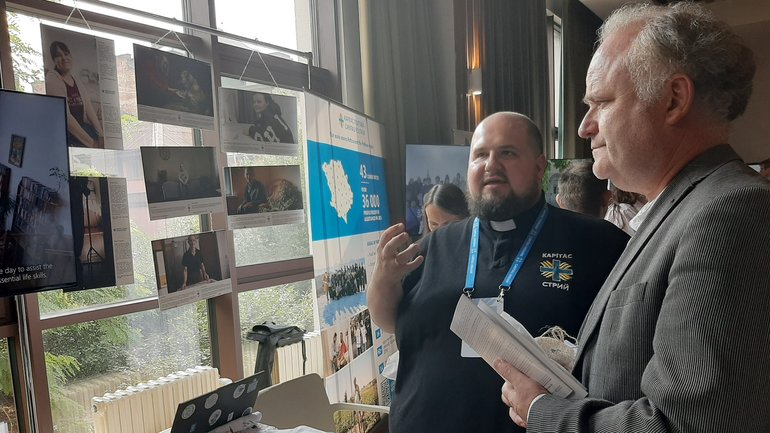
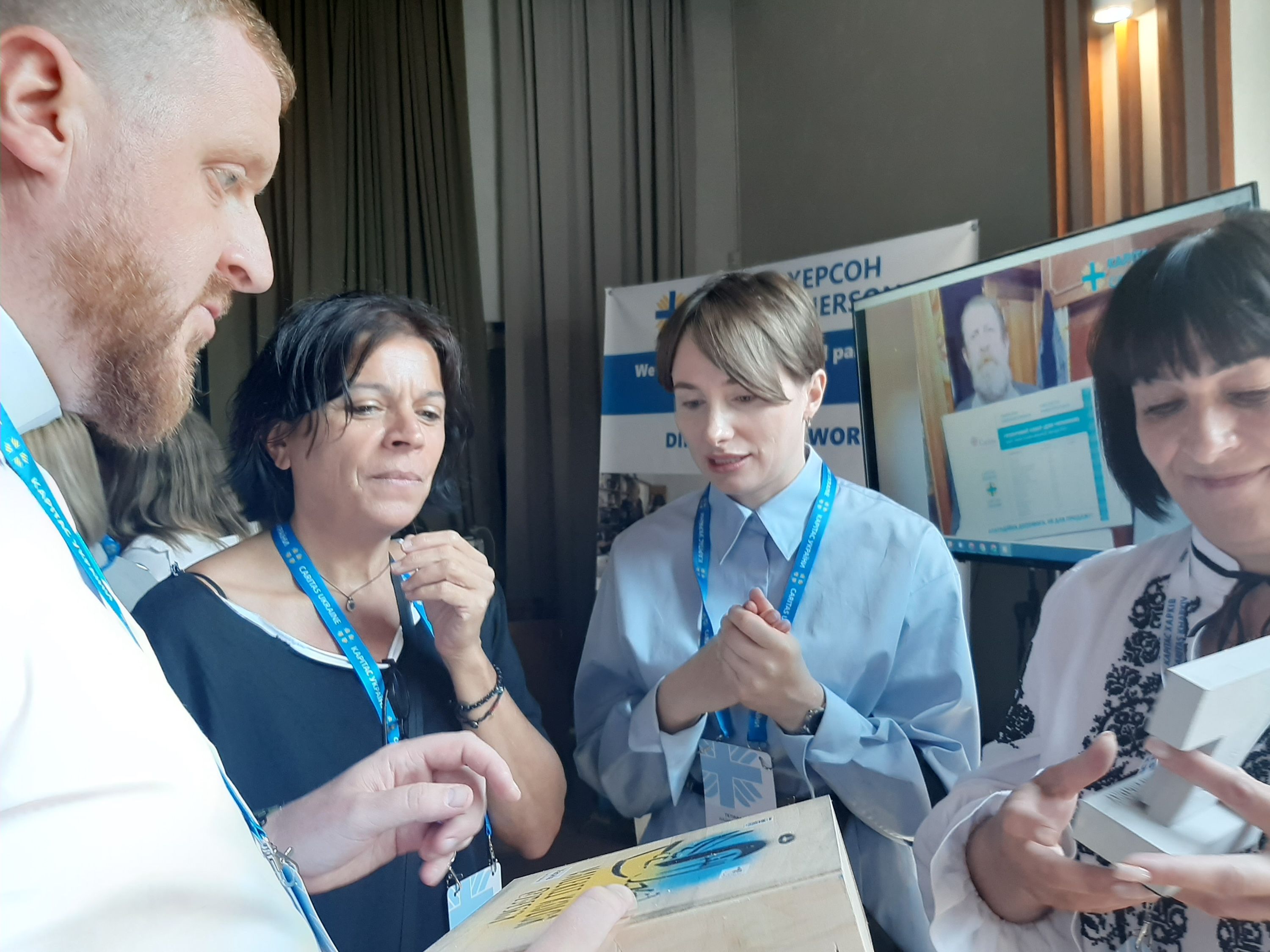
The organizers intended for this event to present Caritas Ukraine's approach to its work and to highlight successful examples of collaboration with communities, especially in frontline regions.
The program featured a thematic panel discussion, along with presentations and conversations, which enabled the fund's managers and specialists to build stronger relationships with their partners and donors, fostering communication and collaboration.

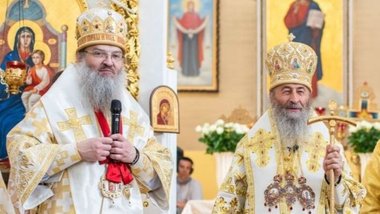
“Here we see the latest results of Caritas' work in Ukraine. Donors who visited the area observed our current needs, and we hope they will provide even better assistance. This serves as a great example of helping one another, sharing our efforts, and launching new projects,” emphasizes Metropolitan Volodymyr Viytyshyn of the Ukrainian Greek Catholic Church in Ivano-Frankivsk.
Tetiana Stawnychy, President of Caritas Ukraine, explains that each year, the organization strives to create a platform where international partners can meet with local directors and organizations to become familiar with their activities. The aim is for them to “breathe the same air” as us and facilitate a platform for exchange. Since one of Caritas Ukraine's primary goals is community orientation, cooperation, and networking, the foundation is working to promote this approach.
Another goal of these meetings with partners is to identify solutions to emerging challenges and build cooperation for the future. This will help develop effective ways to provide assistance both now and in the future. Caritas leaders from various regions of Ukraine participated in the meeting and eagerly shared details about the specifics of their work during the war with foreign partners.
In areas heavily impacted by the war, the foundation's work takes on specific characteristics. In Chernihiv, Fr. Roman Pushka, the director of the local office, notes that new challenges emerged from the very first days of the invasion. Parts of the region were under occupation, leading to a food crisis that required intensified efforts. To this day, special attention is given to people with disabilities, as many individuals need help in overcoming various crises and stabilizing their lives. Additionally, a significant amount of work is being done with children.
The people of Odesa face similar challenges, leading the local Caritas organization to prioritize the same areas of focus. “Since 2022, our work has expanded significantly due to the large influx of people who emigrated from dangerous areas. We assisted with evacuations and provided food for people at train stations,” says Fr. Vasyl Kolodchyn, director of Caritas in Odesa. “We then had to meet the needs of those who remained in Odesa and arrived with little to nothing. Subsequently, we began offering psychological support and working with children. This effort continues as there are still many newcomers, including those from the Kherson region. We understand that we cannot leave anyone behind, no matter how difficult the situation may be.”
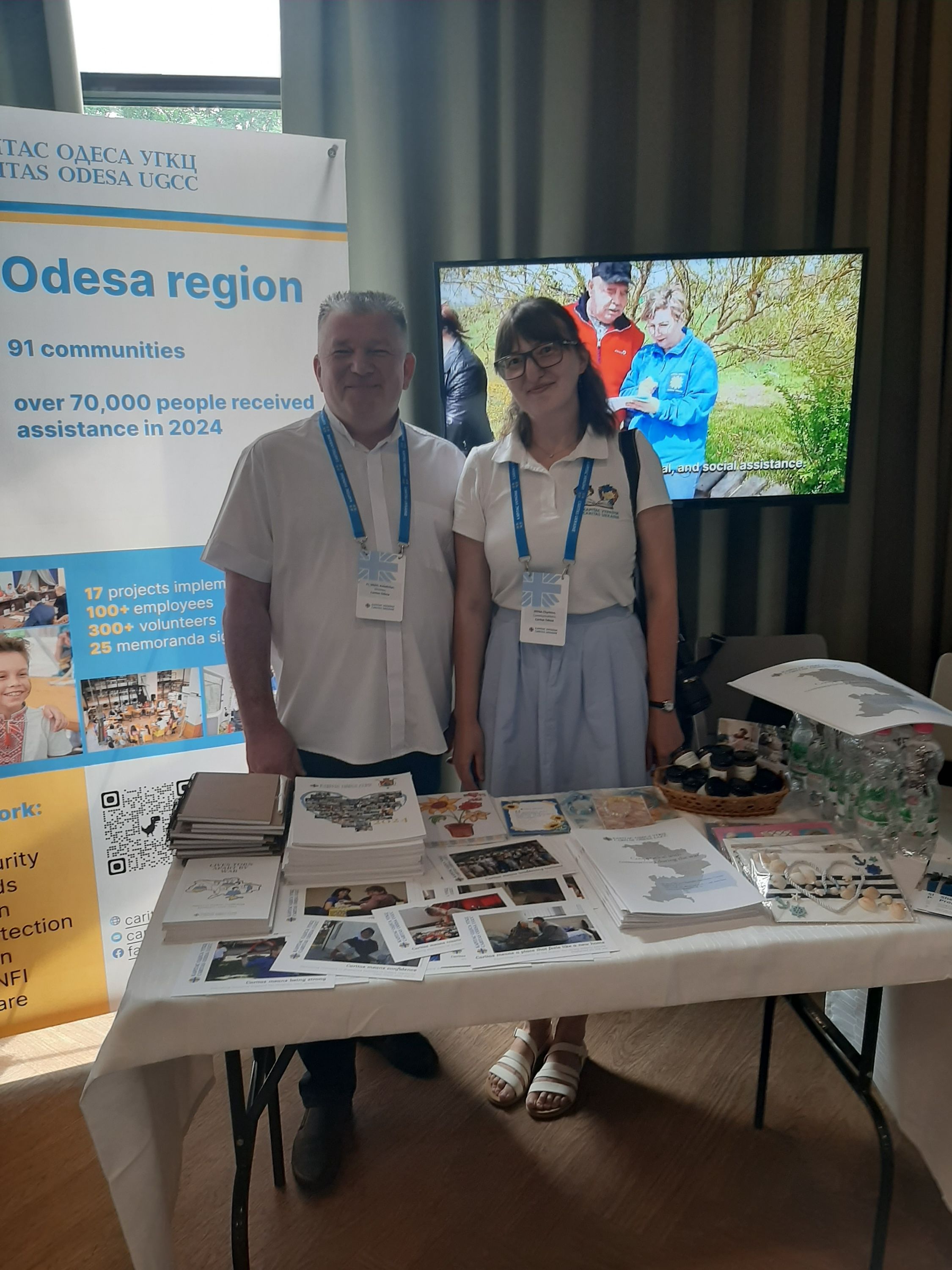
According to local workers from Caritas, it is extremely difficult to operate in Kherson at the moment, and nearly impossible within the city due to constant shelling. All safety requirements must be considered. Consequently, the main activities in the communities of the region are carried out with these safety measures in mind, wherever possible. The foundation’s specialists primarily focus on providing humanitarian aid and psychological support, particularly for women and children.
“Many people have adapted to their circumstances and do not recognize that they are experiencing problems. Therefore, to prevent further issues from arising, we must assist them promptly,” says Dariia Shulzhyk, manager of the Caritas Kherson Charitable Foundation. She indicates that the most critical necessity for the people of Kherson is drinking water, which has become scarce following the disaster at the Kakhovka Hydroelectric Power Plant.
In Kharkiv, which is also suffering greatly from enemy bombing, Caritas is attempting to respond to the challenges that arise at any given moment. "We continue to work under these conditions and provide comprehensive assistance, often going beyond what people initially need. We are seeking partnerships with the government and among donors," states Fr. Andrii Nasinnyk, director of the fund in Kharkiv. According to him, similar to Kherson, volunteers here must also consider safety requirements in their work, although they strive to reach every area where assistance is needed.
Monsignor Michael Landau, President of Caritas Europa, emphasized the importance of recognizing the significant support that Caritas Ukraine and others provide to individuals suffering from the consequences of war. He noted how they understand and empathize with their struggles. “At the same time, many organizations from the international Caritas network are supporting the fund in Ukraine, so my visit is a show of solidarity and closeness with the people of Ukraine during these challenging times,” he concluded.