
Estonian Orthodox Church given six months to completely sever ties with Moscow Patriarchate


This was reported by Lasnamäe.
On June 27, amendments to the Law on Churches and Parishes took effect in Estonia. Under these amendments, religious associations operating in the country can no longer be under the authority of a clergyman residing in a foreign country if that individual poses a threat to Estonia's security.
Tarmo Miilits, the Chancellor of the Estonian Ministry of the Interior, sent a letter to all religious associations, informing them that they have six months — until December 28 — to comply with the new requirements. If they fail to do so, the Minister of the Interior may initiate proceedings to dissolve the religious association forcibly.
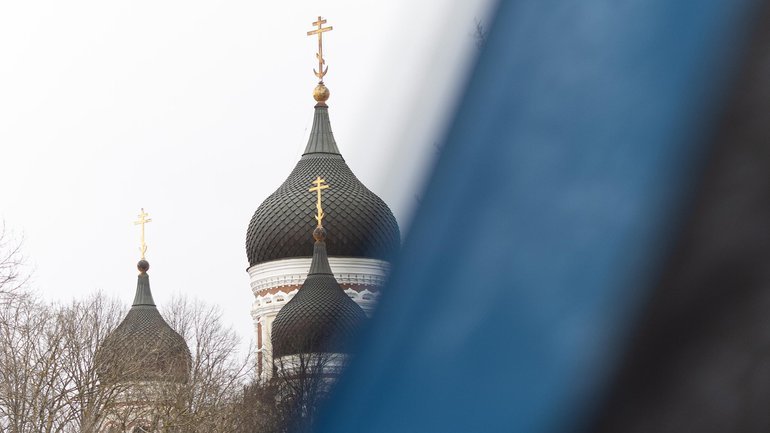
While the letter was addressed to all religious organizations, the primary concern pertains to the future of the EOCC, which is affiliated with the Moscow Patriarchate.
Ilmo Au, an advisor to the Estonian Ministry of the Interior, explained that the church must first elect a new metropolitan. The governing body of the church cannot include individuals whose residence permits were not renewed due to national security concerns.
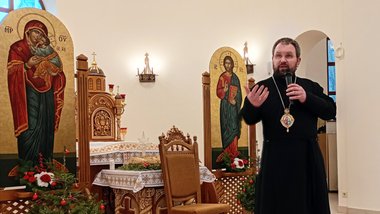
Metropolitan Yevgeny Reshetnikov, head of the EOCC, left Estonia in early 2024 because, according to the Security Police, his activities posed a threat to national security. "He must be removed from the governing body within six months," Au stated.
However, a more challenging task for the EOCC may be removing references to the Moscow Patriarchate from the church's official documents.
According to current church rules, all decisions of the EOCC Synod, including the annual report, the budget, and the election of members of the church administration, require the Patriarch of Moscow's signature for approval.
Au emphasized that severing these ties is emotionally difficult for the church but entirely possible. "The local clergy of the Orthodox Church must engage in serious soul-searching and clearly determine for themselves whom they serve: the Holy Trinity or the Kremlin and the Patriarch of Moscow," he remarked.