
Ukraine requires a more straightforward and persuasive information campaign regarding Russian crimes in the temporarily occupied territories, says Polish expert


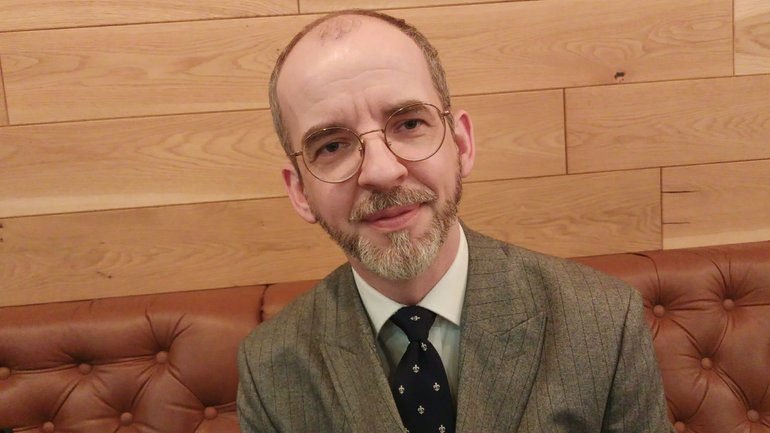
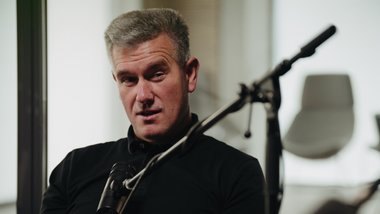
This perspective was articulated by Paweł Wróblewski, Head of the Laboratory of Prognostic Research on Religious Changes at the University of Wrocław in Poland, during an interview with RISU.
According to him, the issue is not a lack of documentation on violations in the occupied territories, but rather a structural asymmetry in how different types of information reach Western public opinion. He believes that "the Kremlin's narrative mechanism is often more convincing to Western audiences. Recent events generally attract more media attention than years of Russian persecution in occupied territories, which many media outlets consider 'outdated.'"
He notes that understanding the persecution in these areas requires knowledge of the geopolitical context, the religious history of Ukraine, the distinctions between various Orthodox Churches, the mechanisms of Russian hybrid warfare, and familiarity with complex documentation.
"This narrative is too complex for the average media consumer, who has limited time and attention. A simple and consistent message, such as 'the ban on Orthodoxy,' is sensational and has the expected domino effect. In this way, Russia has effectively manipulated many Western institutions, including religious ones, to express concerns about Ukrainian legislation," says Paweł Wróblewski. "These interventions lend legitimacy to the Russian narrative and create the impression of an 'international consensus' regarding religious freedom in Ukraine. However, growing awareness in the West about Russian manipulation will undoubtedly limit the damage caused by this."
The expert emphasizes that Russia employs a tactic of "role reversal," presenting the aggressor as a defender of religious freedom and the victim as the persecutor.
"This insidious game exploits Western countries' sensitivity to democratic standards. Russia's instrumental use of Western principles regarding religious freedom serves as a weapon not only against Ukraine but also against Western nations — it systematically infiltrates their political systems. The same Russian 'defenders' of freedom who address Ukraine will attempt to file lawsuits regarding 'violations of freedom' throughout Europe and the US. Those who fail to understand this have already lost," Paweł Wróblewski stressed.
The researcher notes that even if most Western politicians grasp the context, fears surrounding religious freedom complicate the situation and require Ukraine to constantly justify its policies.
"Therefore, Ukraine should proactively engage international institutions and build coalitions with other victims of Russia's actions. It must develop a more straightforward and persuasive information campaign that can compete with Russia's in the mainstream media. Additionally, Ukraine needs to respond more effectively to professional pro-Russian lobbying, particularly by exposing sources of funding from oligarchs such as Vadym Novynskyi and Andrey Klyamka. The Ukrainian diaspora in Western countries also plays a pivotal role in helping to explain the Ukrainian perspective to local media and institutions," concludes Paweł Wróblewski.
Read the full interview: "Europe Is Waking Up: The War in Ukraine Has Revealed the Role of the Moscow Patriarchate in Russian Foreign Policy," — Paweł Wróblewski.