
UNESCO responds to attack on Bernardine Monastery in Lviv


UNESCO has issued a statement expressing deep concern over Russian strikes on a building within the Bernardine Monastery in Lviv, which is listed on UNESCO's World Heritage List. The organization also expressed its readiness to support the Ukrainian authorities with assessments, protective measures, and emergency assistance, as reported by NV.
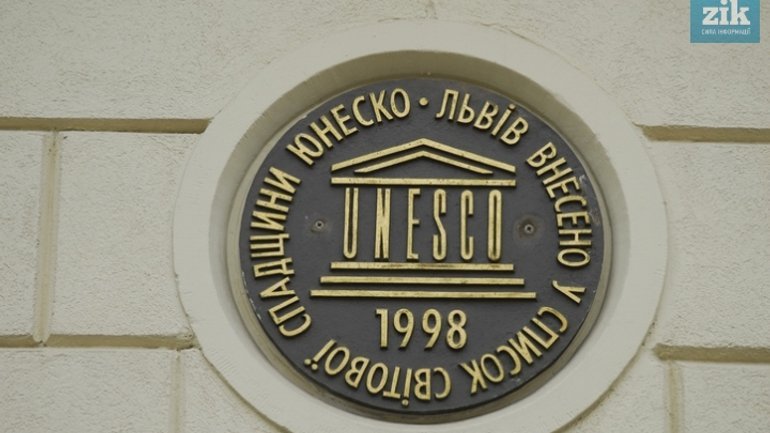
“UNESCO is deeply concerned about the strikes on March 24 that hit a building on the grounds of the Bernardine Monastery, which is part of the UNESCO World Heritage Site ‘Lviv — Historic Centre,’” the statement reads.
UNESCO representatives noted that cultural heritage is protected under the 1954 Hague Convention and the 1972 World Heritage Convention. While they did not directly emphasize that Russia was responsible for the strikes, they called on both sides — including the affected party, Ukraine — to refrain from actions that could cause damage to cultural property.
“All parties must safeguard heritage and refrain from any acts harming cultural property,” the statement continued.
This is not the first instance of damage to the UNESCO World Heritage Site in Lviv — the historic city center complex. On January 15, a Russian drone struck the center of Lviv near the Stepan Bandera monument.
In addition to the Bernardine Monastery, the March 24 attack in Lviv also caused damage to the Lviv Organ Hall, located within the building of the active Church of St. Mary Magdalene, which was built in the 17th century, and the Prison on Lontskogo Museum.