
Latvia and Constantinople: spiritual and historical ties


Orthodox communities existed in Latvian lands from the 12th to 13th centuries. They belonged to the Kyiv Metropolis of the Patriarchate of Constantinople. Thus, the Orthodox Christians of Latvia had spiritual ties with both Kyiv and Constantinople for many centuries. We invite you to learn about the history of these ties and the existence of the autonomous Latvian Orthodox Church under the jurisdiction of the Patriarchate of Constantinople from an article by Dr. Serhii Shumylo, director of the International Institute of the Athonite Legacy.
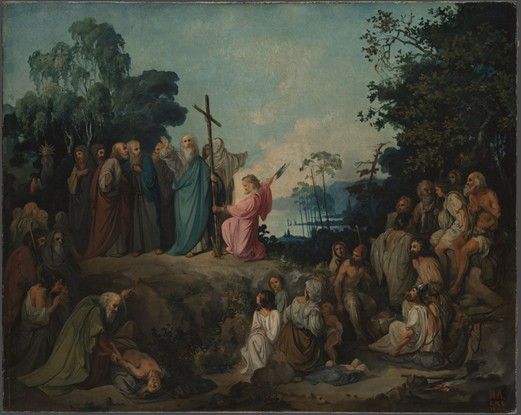
The “Varangian” version version of the chronicle legend about the travels of the Apostle Andrew the First-Called (Prōtoklētos), reflected in a number of Codex of “The Tale of Bygone Years” (Povest' Vremennykh Let), linked his journey not only with Constantinople and Kyiv, but also with the Baltic countries, in particular via the route along the Dvina (Latvian: Daugava, German: Düna, Polish: Dźwina, Old Slavonic: Dvina) (“along the Dvina to the Varangians, from the Varangians to Rome”). Based on this legend, the first apostle called by Christ is considered the spiritual patron not only of Constantinople and Kyiv, but also of the Baltic region, and in particular the land of Latvia.
Of course, Latvia's connection with the Apostle Andrew the First-Called can only be spiritual and symbolic in nature. Most likely, this legend reflects the views of 12th-13th century monk chroniclers on the economic, political, and spiritual ties between Kyivan Rus' and the Baltic region, as well as the missionary routes of their contemporaries from neighboring Orthodox dioceses of the Kyiv Metropolis of the Patriarchate of Constantinople. It was during this period that Ruthenian (or “Rusyns”) merchant colonies were actively developing in the territory of modern Latvia, and with them came the first Orthodox priests and missionaries. It is possible that the author of the “Varangian” edition of “The Tale of Bygone Years” himself came from the banks of the Daugava River, which is why he attempted to “consecrate” his native Baltic region with the missionary presence of Christ's first apostle and founder of the Church of Constantinople. In essence, this legend reflects the medieval view of the spiritual connection between the Baltic lands and the Eastern Christian religious centers – Kyiv and, through it, Constantinople. And there were reasons for this at that time.
The initial spread of Orthodox Christianity in Latvia and the Baltic states is historically linked to the mission of the Kiev Metropolis of the Ecumenical Patriarchate of Constantinople in the 11th–13th centuries. During this period, the lands of Latgale, located in the east of modern Latvia, were under partial protectorate of Kyivan Rus*. In particular, in 12 – beginning of 13 century on the territory of Latgale there were appanage principalities-factories Gersika (latv.: Jersika, lat.: Gercike, Gerceke, germ.: Gerzike) and Kukonois (lat.: Terra Kukonois, germ.: Fürstentum Kokenhusen), which were allied with the Principality of Polotsk (now part of Belarus), which was part of the federation of principalities of Kyivan Rus'. In the northeast of the region, there was the Principality of Tālava (Latvian: Tālava, Latin: Terra Lettorum Tholowa), which was also allied with the neighboring principalities of Kyivan Rus'.
*) “Rusyns” (“Rusyny”, Latin: “Ruthenian”) is the historical endonym of the inhabitants of Kyivan Rus. It first appears in Old Russian chronicles, in particular in “The Tale of Bygone Years”, referring to the population of the ancient Kyivan state of Rus. After the collapse of Kyivan Rus, this term was long used to refer to the inhabitants of the Ukrainian and Belarusian lands of the Grand Duchy of Lithuania and the Polish-Lithuanian Commonwealth; not to be confused with “Muscovites” or “Russians” – the inhabitants of the Moscow Tsardom and modern Russia. Today, the endonym “Rusyn” has been preserved in Transcarpathia, Lemko Region (Lemkivshchyna), as well as in Vojvodina, Pannonia and Eastern Slovakia. Until the beginning of the 20th century, this endonym was also widespread in Galicia, being synonymous with the name “Ukrainian”.
All these lands canonically belonged to the Kyiv Metropolis of the Ecumenical Patriarchate of Constantinople. According to Heinrici Cronicon Lyvoniae by the German missionary and chronicler Henricus de Lettis (1187–1259), there were Orthodox churches with icons and bells on the territory of Latgale. Similarly, in 1225, Papal Legate William of Modena (Latin: Guillielmum Mutinensis, German: Wilhelm von Modena, also known as Guglielmo de Savoy) mentions Christians of the Byzantine rite in the vicinity of Kukenois (Koknese). During archaeological excavations conducted in the 20th century in Jersika and other parts of Latgale, Byzantine-style pectoral crosses and church utensils were found, which also confirms the presence of Eastern Christianity in the region.
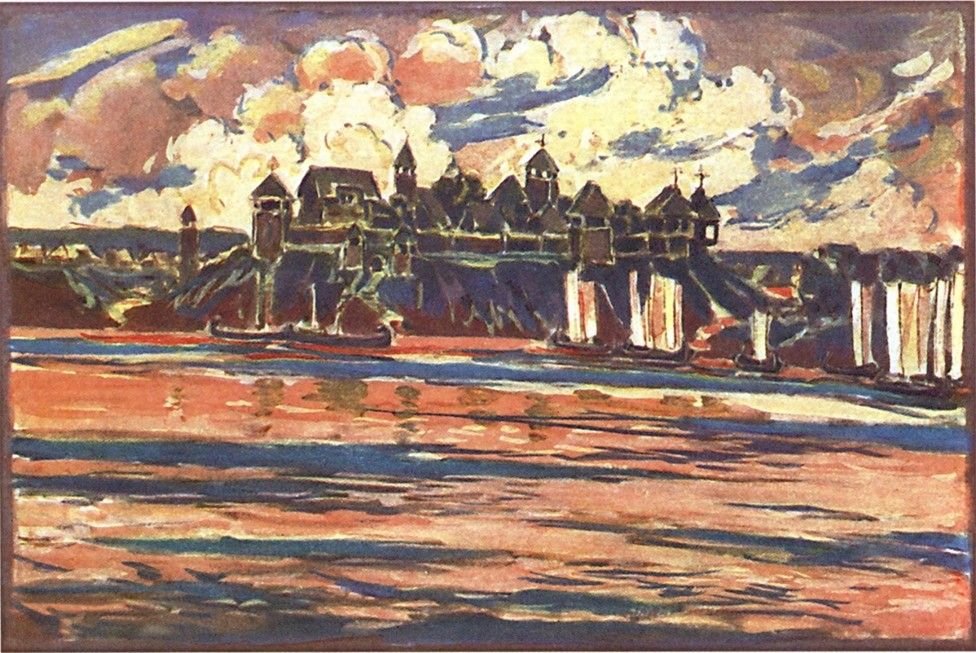
In the 12th and 13th centuries, Jersika and Kukenois were Orthodox centers in the Latvian lands, canonically belonging to the Polotsk diocese of the Kiev Metropolis. Similarly, in the neighboring Principality of Tālava at the beginning of the 13th century, the local prince (valdnieks) Tālivaldis, as well as his sons and people (nation), also adhered to Orthodox Christianity until the invasion of the German crusaders. According to Henricus de Lettis, they even had their own Orthodox Latvian priest at the princely residence in Beverin Castle (Indriķa Livonijas hronika, XV, 7; XIX, 3). Another center of Orthodoxy in the region was the city of Riga, where an Orthodox church dedicated to St. Nicholas the Wonderworker (for local Rusyns). This church is first mentioned in documents from 1297, when it was subordinate to the Bishop of Polotsk, who sent priests and other clergy, as well as liturgical vessels, to the Riga parish. It is believed that the Metropolitan of Kiev, Isidore, visited this church on February 4, 1438. An Orthodox monastery operated at this Riga church in the 15th–16th centuries.
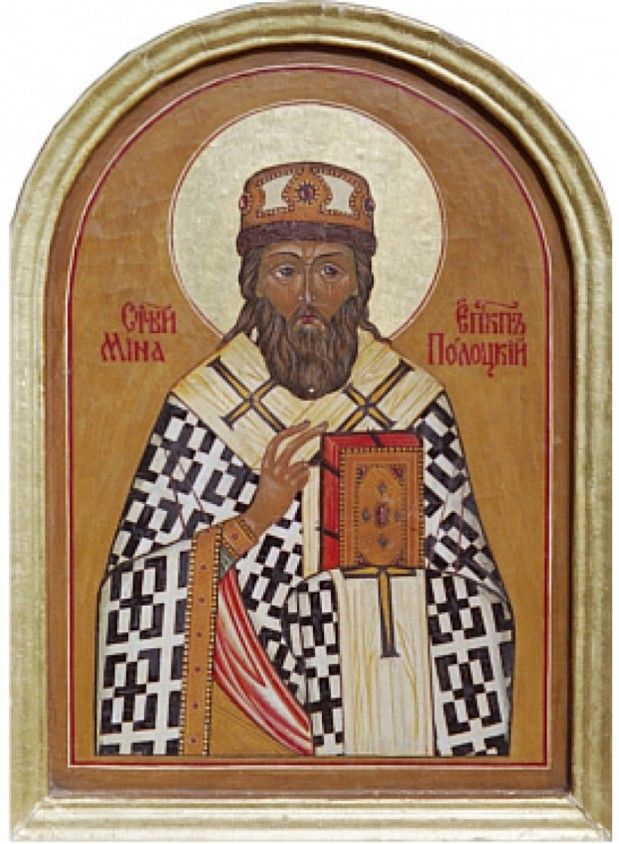
When the Latin missionary Meinhard von Segeberg (German: Meinhard von Segeberg; 1127–1196), the future saint and first Catholic bishop of Livonia, arrived in Latvian lands, he asked Vladimir, the Orthodox prince of Polotsk, for permission to preach Christianity in his vassal lands among the Livs who inhabited the lower reaches of the Western Dvina River. Such permission could be granted with the consent of the Orthodox bishop of Polotsk, whose spiritual authority extended over these lands.
However, since the 13th century, after the conquest of the region by the German knights (Order of the Sword Bearers), the Orthodox mission in these lands was suspended. Under the influence of the Crusaders, most Latvians in the west and north of the country converted to Catholicism. Then, during the Reformation, they converted to Lutheranism. Catholicism spread in the east of the country (Latgale), which became part of the Polish-Lithuanian Commonwealth.
In 1559, the modern lands of Latvia, which at that time were part of the Livonian Order, recognized the protectorate of Sigismund II Augustus, Grand Duke of Lithuania and King of Poland. In 1561, following the Union of Vilnius, the Livonian Confederation ceased to exist. It was replaced by the Duchy of Courland and Semigallia, which was initially a vassal state of the Grand Duchy of Lithuania and, eight years later, after the Union of Lublin, of the Polish-Lithuanian Commonwealth. Other former territories of the Livonian Order after 1561 (the northern and eastern parts of modern Latvia, in particular Latgale, as well as the south of modern Estonia) were transferred to the Grand Duchy of Lithuania, and after 1569 became part of the Polish-Lithuanian Commonwealth. At the same time, as a result of the Union of Vilnius, in 1561 the city of Riga recognized itself as a vassal of the Polish-Lithuanian Commonwealth and in return received the status of a “free city” (a vassal city-state). In 1581, the city of Riga finally swore allegiance to the Polish king Stefan Batory.
All Orthodox residents and Orthodox parishes in the territories of modern Latvia, Lithuania, and Estonia during this period remained under the jurisdiction of the Kyiv Metropolis of the Ecumenical Patriarchate of Constantinople. The jurisdiction of the Moscow Patriarchate was limited to the borders of the Moscow Tsardom and did not extend to the Baltic countries. Moreover, the Livonian Order, the Grand Duchy of Lithuania, and the Polish-Lithuanian Commonwealth, which at various times included the lands of modern Latvia, Estonia, and Lithuania, categorically tried to prevent Moscow from exerting any political or religious influence on their territories. Repeated attempts by Moscow rulers (Ivan the Terrible and others) to interfere in the religious life of the Baltic region were met with resistance and were unsuccessful.
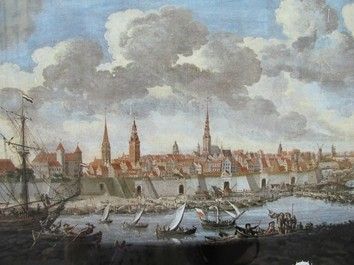
From the documents of the Brest Sejm of 1544, we learn that the St. Nicholas Orthodox parish in Riga and all Orthodox residents of Riga had long belonged to the Polotsk diocese of the Kyiv Metropolis of the Patriarchate of Constantinople, and that the Polotsk bishops traditionally sent Orthodox priests to Riga in agreement with the local “community.” The fact that Orthodox priests were sent to Riga from the Polotsk diocese for the needs of local Orthodox residents (Rusyns) is also known from documents from 1531, 1532, and 1542. In October 1557, the Master of the Livonian Order, Wilhelm von Fürstenberg, submitted a request to the Riga Rat (Rīgas Rāte) to obtain an ancient document from the archives concerning the agreement between Riga and the Diocese of Polotsk on the construction of St. Nicholas Church. Documents from 1589, 1592, and 1599 also mention the right of the Archbishop of Polotsk to St. Nicholas Church in Riga.
Similarly, from a letter from Ukrainian Hetman Ivan Samoilovych dated July 20, 1685, we learn that "the cities that exist on the Baltic Sea all belonged to the Kyiv Metropolis,“ and that from the Liefländische lands, pious supporters traditionally ”came to the Kyiv Metropolitan to be ordained into the priesthood."
In the 17th century, Orthodox churches dedicated to St. Nicholas the Wonderworker and St. George the Victorious were built in Jēkabpils. At the same time, with the blessing of the Kiev metropolitans, the Orthodox Holy Spirit Monastery was founded here, which became an important stronghold of Orthodoxy in Latgale. The monks there were immigrants from the Belarusian and Ukrainian lands of the Polish-Lithuanian Commonwealth. It is known that even Metropolitan Peter Mohyla of Kyiv (1632–1647), Exarch of the Patriarchal See of Constantinople, granted Orthodox monasteries – the Epiphany Monastery in Polotsk and the Trinity Markov Monastery in Vitebsk (both located on the banks of the Western Dvina – Daugava) the exclusive right to send their monks, in turn, every year, with the opening of navigation on the Daugava to Riga to perform Orthodox services there, perform the necessary rites, and collect alms to support their monasteries. This fact also testifies to the spread of the jurisdiction of the Kyiv Metropolis of the Patriarchate of Constantinople on the territory of modern Latvia.
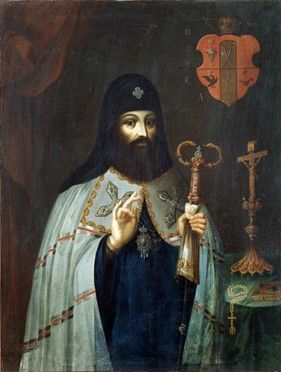
Many people still make the grave mistake of confusing the Kyiv-Rus Church (the Kyiv Metropolis under the jurisdiction of the Patriarchate of Constantinople, whose successor today is considered to be the Ukrainian Church), which traditionally had its Orthodox parishes in Latvia from the 12th to the end of the 17th centuries, with the Moscow Church (the Orthodox Church of Russia, now the ROC MP), which separated from it in the 15th century. The coercion to change jurisdiction from the Patriarchate of Constantinople to that of Moscow in Latvia and other Baltic countries gradually began to take place at the end of the 17th century, when the Kyiv Metropolis lost its autonomy and temporarily came under the control of the Moscow patriarchs. However, the Russian Synod's power in the Baltic lands was only really established after they joined the Russian Empire in the 18th century.
However, even during this period, the jurisdiction of the Ecumenical Patriarchate of Constantinople continued to extend to certain regions of Latvia. In particular, the Orthodox Church Council in Pinsk (known as the “Pinsk Congregation”) with the aim of preventing the Russian Church from gaining influence, approved a resolution of 11 articles in 1791, the first point of which proclaimed that the Orthodox Church in the lands of the Polish-Lithuanian Commonwealth traditionally remained and was obliged to remain in spiritual dependence on the Patriarch of Constantinople. The jurisdiction of the Synod of the Orthodox Church of the Polish-Lithuanian Commonwealth, which remained in unity with Constantinople, was also to extend to the Lithuanian and Latvian lands. Although this decision was not implemented due to the final partition of the Polish-Lithuanian Commonwealth between Prussia, Russia, and Austria in 1793 and 1795, it testifies to the very fact of the desire for a canonical structure according to which the aforementioned lands continued to be considered under the jurisdiction of the Patriarchate of Constantinople.
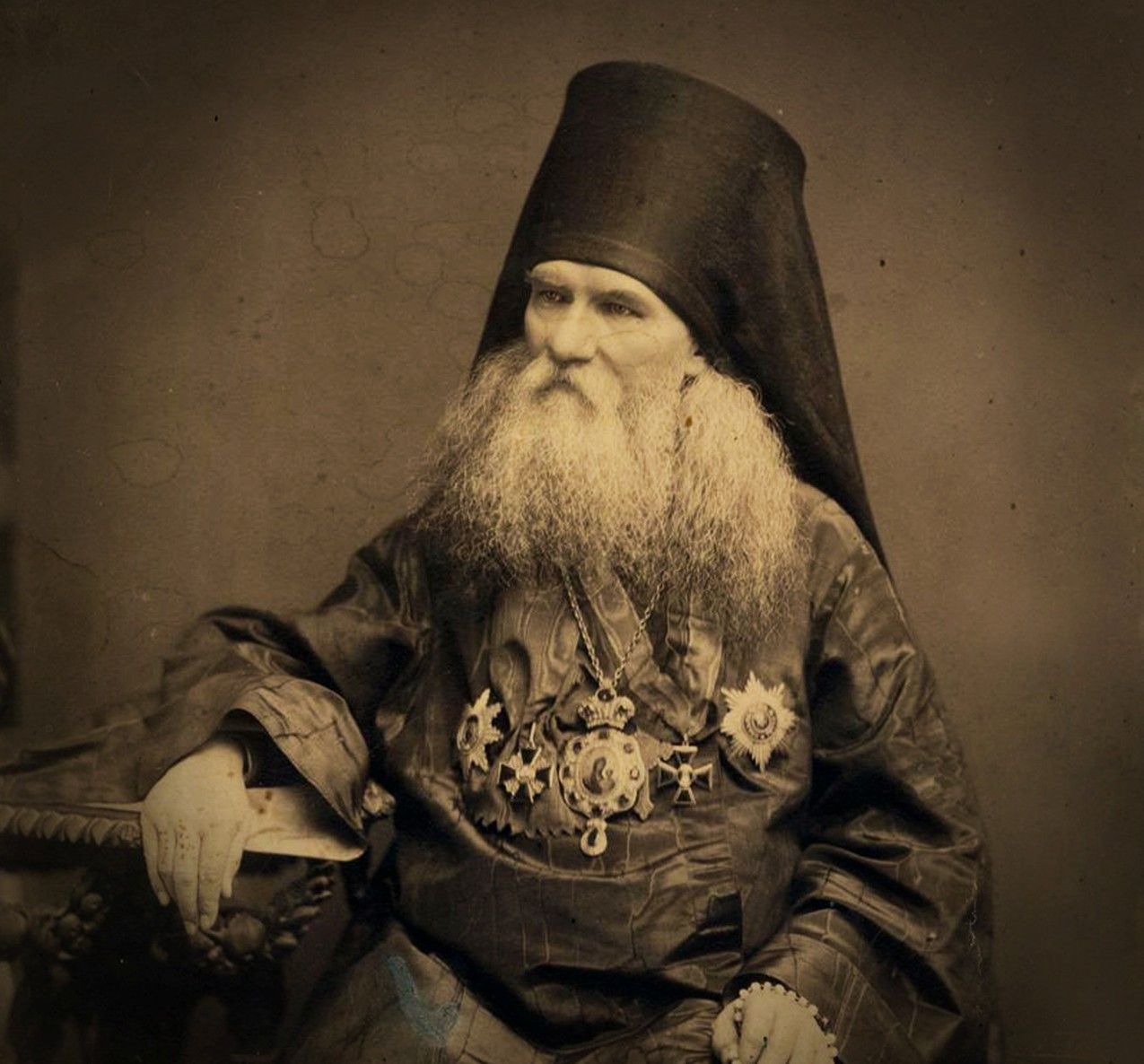
It should be noted that in the 18th and 19th centuries, Orthodox Christianity spread widely throughout the Latvian lands. In 1836, the Russian Synod established the Riga Vicariate of the Pskov Diocese, which in 1850 was separated into the independent Diocese of Riga. During these years, there was also a mass conversion of Latvians from Lutheranism to Orthodoxy. Bishop Filaret of Riga (Gumilevsky; 1805–1866) distinguished himself in missionary work in Latvia and Estonia, actively introducing worship services in Latvian and Estonian, opening more than 90 new Orthodox parishes, and establishing a theological school in Riga. The fruit of his missionary activity in the region was the conversion of more than 113,000 local peasants to Orthodoxy. Later, Filaret (Gumilevsky) became Archbishop of Chernihiv and is now venerated as a saint of the Chernihiv Diocese in Ukraine.
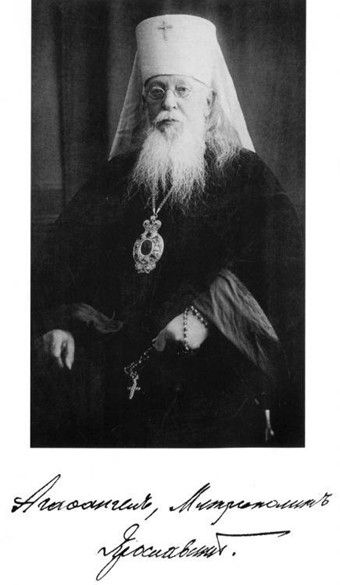
An important mark on the life of the Riga Diocese was left by its ruling bishop from 1897 to 1910, Agafangel (Preobrazhensky; 1854–1928), who initiated church reforms in Latvia, in particular, for the first time allowing lay people to elect clergy, and after the Latvian revolution of 1905, he called on the clergy under his jurisdiction to hide and intercede for the release or pardon of participants in anti-government protests in Latvia (later, in the 1920s, he became one of the leaders of the church opposition in the USSR and one of the founding fathers of the Catacomb Church, canonized as a saint).
A new stage in the development of Orthodoxy in the region began after Latvia declared its independence in 1918. During this period, a movement for the independence of the Latvian Orthodox Church (LOC) began in the country.
At the request of Bishop Jānis (Pommers) of Riga and All Latvia, the Latvian Church received from the Russian Church “self-government in ecclesiastical and administrative matters”: this decision was approved on June 21, 1921, by Patriarch Tikhon, the Synod, and the Supreme Church Council of the Russian Orthodox Church. This was not yet complete canonical autonomy and independence, but this act was the first step toward achieving this goal.
Archbishop Jānis (Pommers) pursued a policy of gradually strengthening the independence of the Latvian Church and developing a distinctive Latvian Orthodox tradition. After the death of Moscow Patriarch Tikhon in 1925, the Latvian Orthodox Church refrained from recognizing the canonical authority of the new church administrations formed in Soviet Russia, in particular Metropolitan Sergius (Stragorodsky), Metropolitan Gregory (Yatskovsky), and others. Archbishop Jānis (Pommers) also rejected the claims of Metropolitan Eleutherius (Bogoyavlensky) of Lithuania and Vilnius, who was appointed in Moscow in 1930 as administrator of the Western European parishes of the Moscow Patriarchate. Metropolitan Agathangel (Preobrazhensky), former Archbishop of Riga and Mitava (1897–1910), under whom Archbishop Jānis began his ecclesiastical career, remained his spiritual authority. In the 1920s, this saint was one of the leaders of the church opposition to Metropolitan Sergius (Stragorodsky)'s attempts to usurp church power in the Russian Church with the help of the OGPU and put it at the service of the Soviet godless regime. Like Agathangel, Jānis also rejected Metropolitan Sergius (Stragorodsky)'s declaration of loyalty to the Soviet government. All of this may have been one of the reasons why he was killed by NKVD agents on the night of October 11-12, 1934.
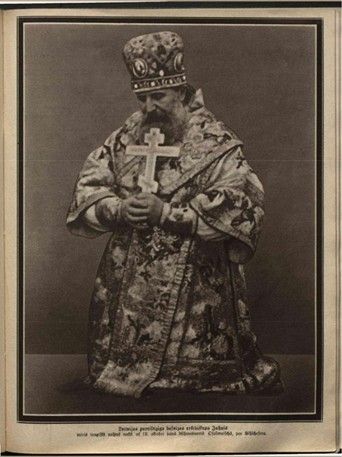
In 1935 the Synod of the Latvian Orthodox Church (LOC), following the example of the Estonian Orthodox Church, appealed to the Ecumenical Patriarch of Constantinople Photios II with a request to admit the LOC to the jurisdiction of the Ecumenical Patriarchate of Constantinople. This request was granted in February 1936 by the new Patriarch Veniamin of Constantinople.
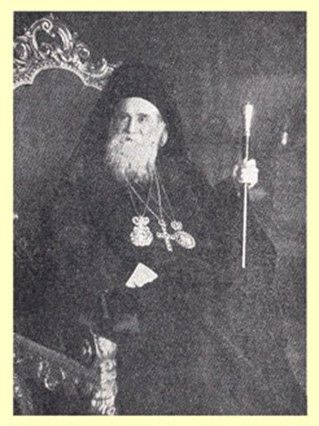
On 10 March 1936, the All-Church Council of the Latvian Orthodox Church elected Fr Augustin (Petersons; 1873–1955) as the new Primate of the Church and Metropolitan of Riga and All Latvia. His election was approved by Patriarch Veniamin of Constantinople.
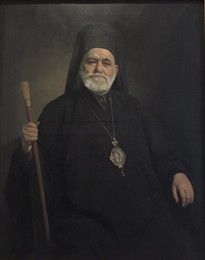
On 29 March 1936, Metropolitan of Thyateira Germanos (Strinopoulos), Exarch of the Ecumenical Patriarchate in Western Europe, led the consecration of Fr Augustin (Petersons) as Bishop of Riga and All Latvia, with elevation to the rank of Metropolitan.
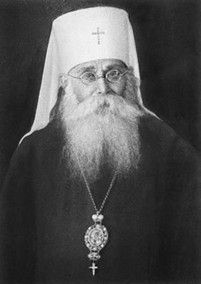
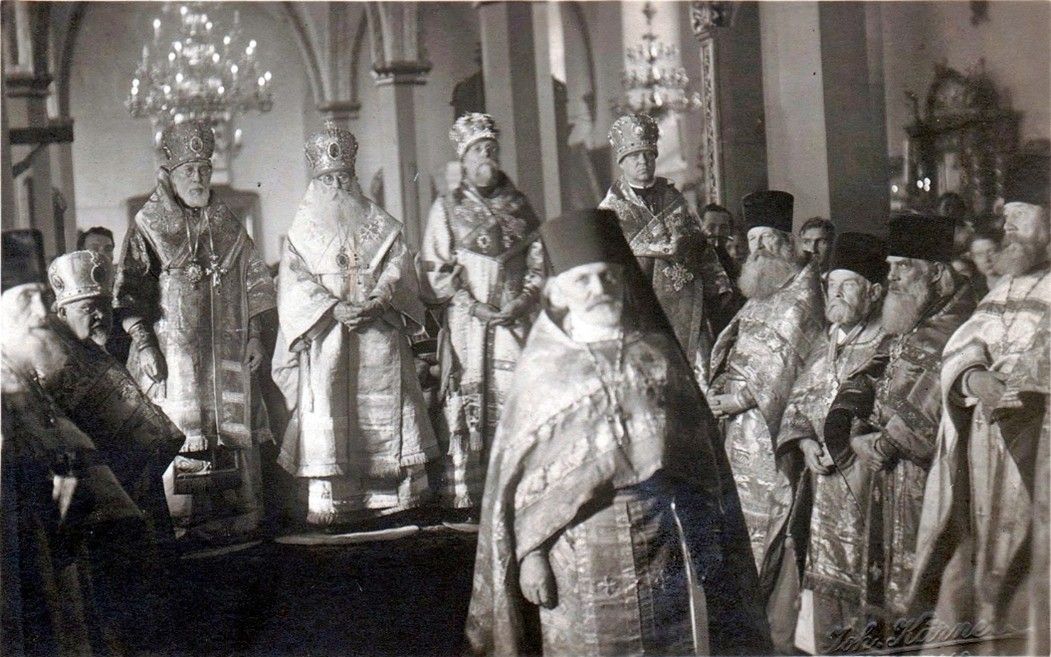
Having become part of the Ecumenical Patriarchate with the rights of autonomy, the Latvian Orthodox Church under the leadership of Metropolitan Augustine began to develop actively. The Orthodox Theological Institute was established in Riga, with Metropolitan Augustine as its rector. In order to strengthen the autonomous status of the LOC, two vicariates were established – Jelgava and Jersika (since 1939 – Madona). In 1936 Jacobs (Karps) was consecrated Bishop of Jelgava and in 1938 Alexander (Vitols) was consecrated Bishop of Jersika (later Bishop of Madona).
After the occupation of Latvia in 1940 by Soviet troops and its accession to the USSR, repressions began in the country. Repressions peaked in 1941, in accordance with the Decree of the Central Committee of the All-Union Communist Party of Bolsheviks (b) and the USSR Council of People's Commissars of 16 May 1941 ‘On measures to cleanse the Lithuanian, Latvian and Estonian SSR from anti-Soviet, criminal and socially dangerous elements’. According to the documents of the State Archive of Latvia, on 14 June 1941, 15,424 people were forcibly deported from Latvia, of whom 5,263 were arrested. Of those arrested, 700 were shot and 3,441 died in custody. Among the rest of the deportees, 1900 people died in places of special settlement.
Together with the Soviet occupation troops and NKVD units, representatives of the Moscow Patriarchate arrived in Latvia and began the forced joining of the LOC parishes to the Russian Church. By the decision of the Moscow Synod of Metropolitan Sergius (Stragorodsky) the autonomy of the LOC was abolished, Metropolitan Augustine was ‘retired’ in April 1941, and instead of the LOC the ‘Exarchate of Latvia and Estonia’ of the ROC was established. About 30 Latvian clergymen opposed the LOC accession to the Moscow Patriarchate, but repression began against those who disagreed, and some priests were arrested on charges of “anti-Soviet activities.” Pressure was also exerted on Metropolitan Augustine, who was forcibly forced to “retire”.
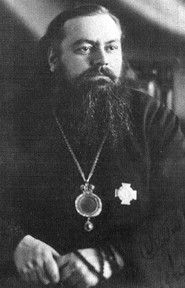
However, the Soviet occupation of Latvia lasted only about a year. With the retreat of Soviet troops from Latvia on July 20, 1941, Metropolitan Augustine announced the restoration of the autonomous status of the Latvian Orthodox Church under the jurisdiction of the Ecumenical Patriarchate of Constantinople. Despite the fact that the German occupation regime in Latvia did not support and even hindered the revival of the Latvian Autonomous Church under the jurisdiction of Constantinople, giving preference to the Baltic Exarchate of the Moscow Patriarchate headed by Metropolitan Sergius (Voskresensky) (as a result of which most of the Latvian Orthodox parishes remained under the jurisdiction of the Moscow Patriarchate in Latvia), Metropolitan Augustine (Petersons) continued to make every effort to revive the distinctive Latvian Orthodoxy. Until the fall of 1944, he was actively involved in the revival of the Latvian Orthodox Church, which had been severely damaged by Soviet repression and the war.
With the Soviet offensive in the autumn of 1944, Metropolitan Augustine and a group of Latvian clergy and believers of the LOC were forced to emigrate to Germany. And all parishes and dioceses of the Latvian Church under Soviet occupation were forcibly joined to the Moscow Patriarchate. The autonomy of the Latvian Church was abolished. Instead, the Riga Diocese of the Russian Orthodox Church was established, and the remaining clergy and believers of the LOC were subjected to severe repression.
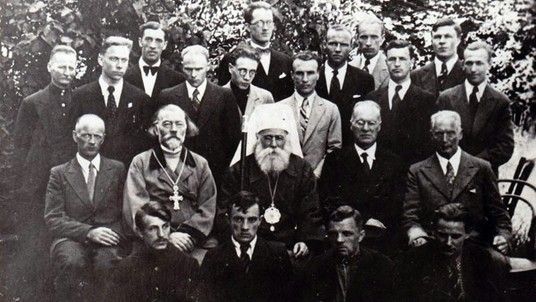
On October 20, 1946, an agreement on the organisation of the Latvian Orthodox Church in Exile was signed between Metropolitan Augustin (Petersons) and the Latvian bishop of the Baltic Exarchate of the ROC MP Ioannes (Garklavs). The agreement stipulated that all Latvian Orthodox priests and laymen who had previously co-operated with Metropolitan Augustine and Bishop John were united into one structure – the LOC in Exile, which is an autonomous ecclesiastical unit. Metropolitan Augustine was proclaimed head of the LOC in Exile, and Bishop John was appointed his deputy.
In the spring of 1947, Metropolitan Augustine, head of the LOC in Exile, appealed to Metropolitan of Thyateira Germanos (Strinopoulos), Exarch of the Ecumenical Patriarchate in Western Europe, who lived in Great Britain, with a request to accept the LOC in Exile into the jurisdiction of the Ecumenical Patriarchate of Constantinople. Metropolitan Germanos gave his consent in June 1947, and on 14 December 1948 he informed the Synod of the LOC in exile that the Synod of the Ecumenical Patriarchate had accepted into its jurisdiction the Latvian Orthodox Church in Exile and the Orthodox Christians from Latvia living in Western Europe.
On October 4, 1955, Metropolitan Augustine (Petersons) died in a sanatorium for tuberculosis patients and was buried in the cemetery of the German city of Gauting, near Munich. Individual parishes of the Latvian Orthodox Church in Exile continued to remain under the jurisdiction of the Ecumenical Patriarchate, particularly in Great Britain, Germany, Switzerland, and other countries.
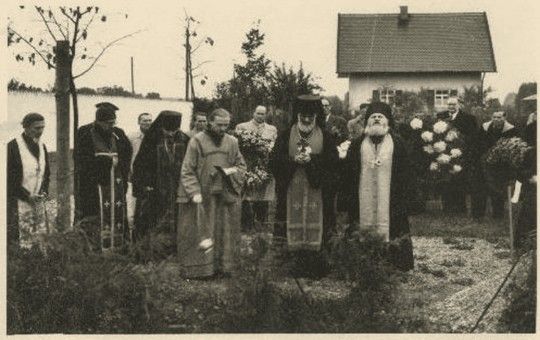
After the death of Metropolitan Augustine in 1955, the Synod of the Latvian Orthodox Church in Exile continued to function, moving its center to London. It was headed by Archpriest Anthony Gramatins (died in 1969) as administrator of the LOC in Exile. One of the decisions of the Synod of the Latvian Orthodox Church in Exile in 1955 was to notify Patriarch Athenagoras of its desire to remain under the jurisdiction of the Ecumenical Patriarchate.
From 1972 to 2008 the administrator of the Latvian Orthodox Church in Exile (under the jurisdiction of the Ecumenical Patriarchate) was Protopresbyter Alexander Cherney (Černijs; 1914–2008), who was from Silene, near Daugavpils.
On 11 June 1972, Bishop Matthew (Semashko) (Bishop of the Polish Orthodox Church in Exile under the Thyateira Diocese of the Ecumenical Patriarchate in Great Britain) consecrated Alexander Černijs to serve the Latvian Orthodox flock in Great Britain. Due to the fact that the Latvian Orthodox Church Abroad had been without a permanent administrator since 1969, Archbishop Gregorios of Thyateira and Great Britain appointed Father Alexander as administrator of the Latvian Orthodox Church in Exile (under the jurisdiction of the Ecumenical Patriarchate) two weeks later, in June 1972.
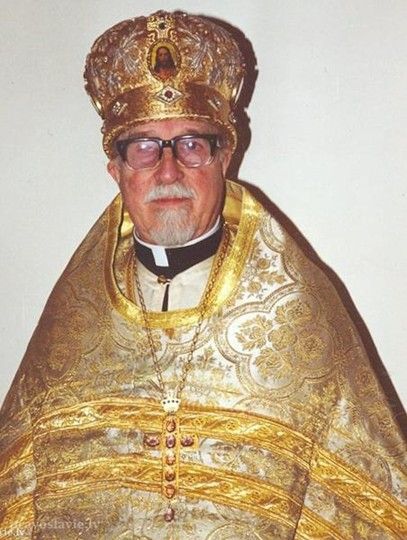
During Father Alexander's administration, the Latvian Orthodox Church in Exile continued its activities, conducting services in Latvian for Orthodox Latvians and visiting Orthodox centers. In 1976 Fr. Alexander Cherney (Černijs) was elevated to archpriest for his diligent service for the benefit of the LOC in Exile. In 1980 Archpriest Alexander was elected Dean of the Latvian Orthodox Church in Exile. Recognising his services to his compatriots, Father Alexander was awarded the title of Protopresbyter.
In 1980, Father Alexander managed to find a permanent home for the parishioners of the Latvian Orthodox Church in Exile within the walls of St. Thomas Anglican Church in London. Subsequently, parishioners gathered for services in the Chapel of the Virgin Mary, which was decorated in accordance with the traditions of the Orthodox Church. The Anglican Church passed a resolution in 1988 supporting the activities of the Latvian Orthodox community. The Church of England passes a resolution in 1988 in support of the congregation's activities.
After the restoration of Latvia's independence, Father Alexander Cherney (Černijs) repeatedly came to his homeland and met with representatives of the local clergy, trying to initiate the revival of the Latvian Autonomous Orthodox Church (under the jurisdiction of the Ecumenical Patriarchate) in his homeland. However, on April 16, 2008, at the age of 93, he passed away in London.
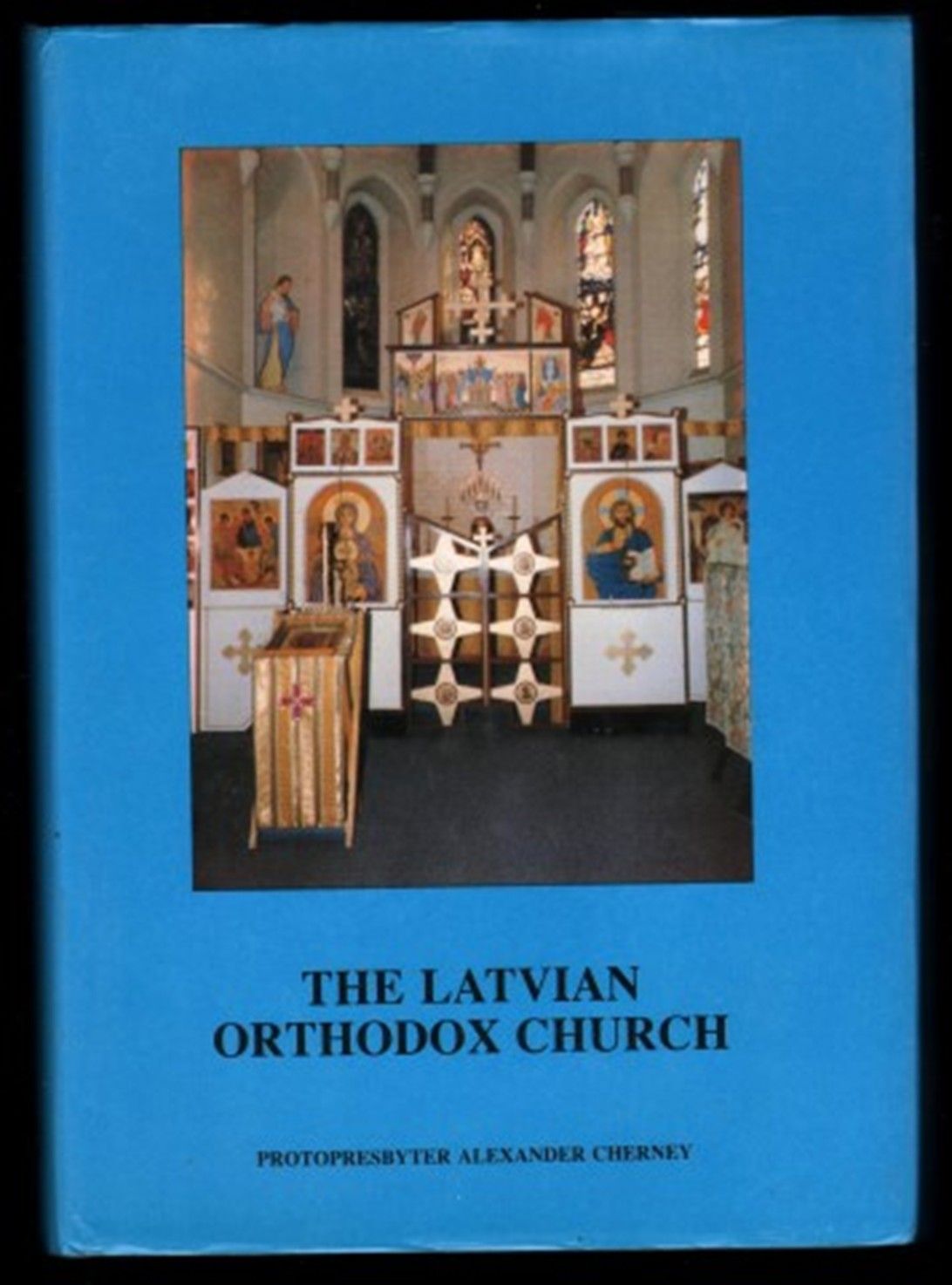
He recounts his life story in his autobiographical book “Freedom Bells” (Cherney, A. Freedom Bells. Square One Publication, 2000. 331 p.), in which he also describes the history of his family and homeland. In 1996, a book by Archpriest A. Cherney on the history of the Latvian Church, “Latvijas Pareizticīgā Baznīca”, was published in Latvian. It had previously been published in English in the United Kingdom in 1985 (Cherney, A. The Latvian Orthodox Church. Publisher Welshpool: Stylite Publishing, 1985. ISBN 9780947805043). Also in 1992, his book “Thorny Path” was published in English. Throughout his life, Father Alexander collected an extensive personal archive, the materials of which were used in various historical works.
Thus, after the tragic events of the 1940s and the Soviet occupation of Latvia, the autonomous Latvian Orthodox Church under the jurisdiction of the Ecumenical Patriarchate did not cease to exist, but was preserved in exile so that now, with canonical and historical continuity, it could return to its homeland.
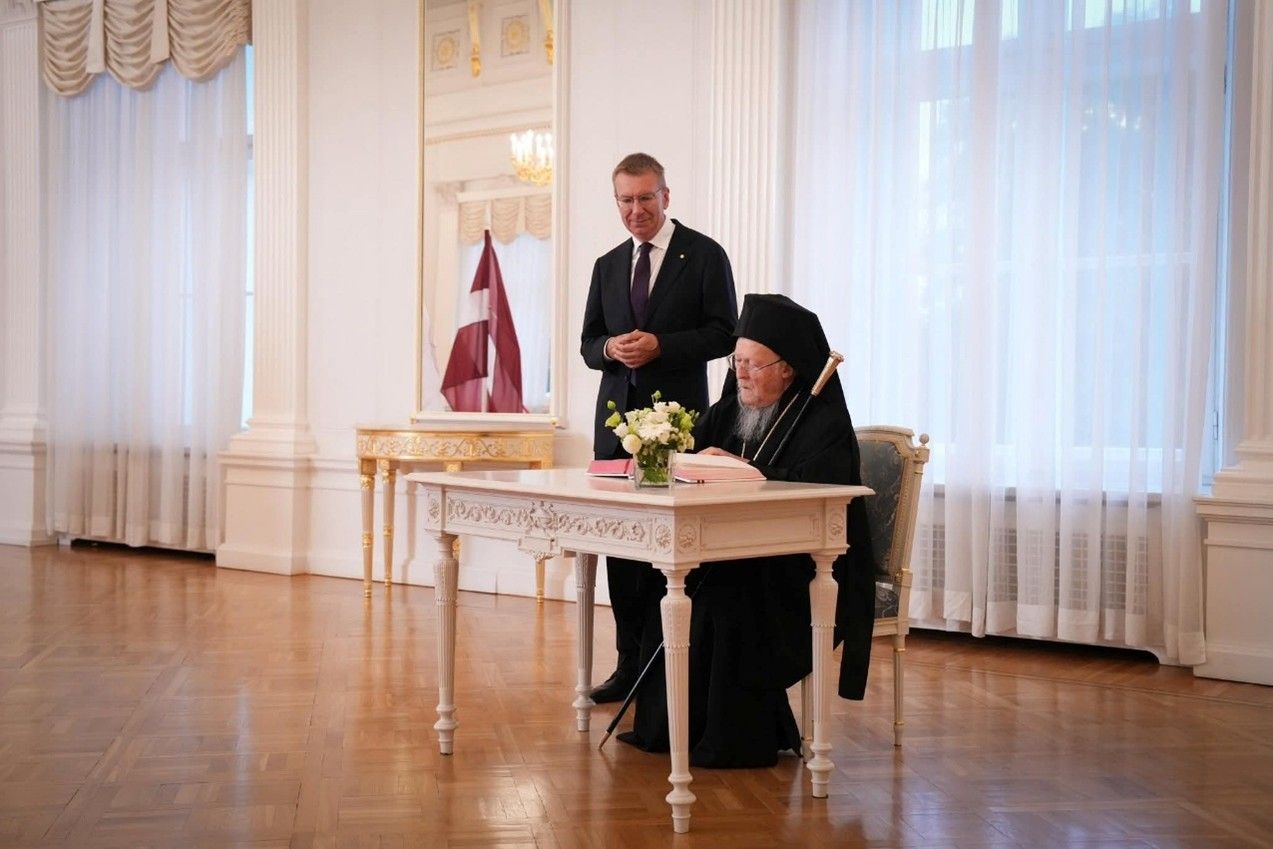
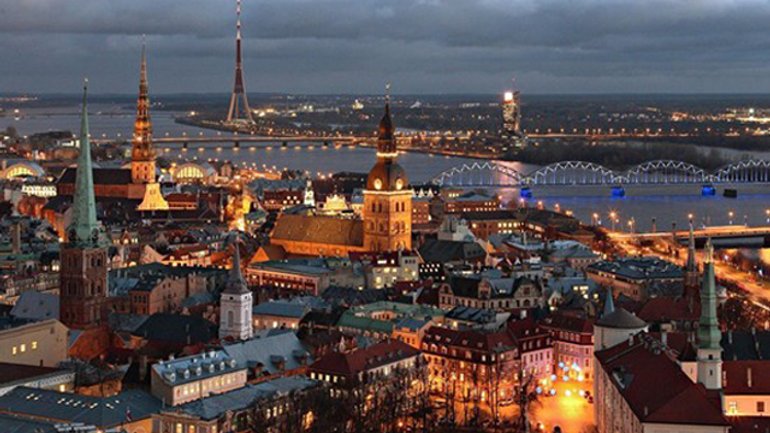
In this context, the first visit in history of Ecumenical Patriarch Bartholomew of Constantinople to the Republic of Latvia, which took place at the invitation of Latvian President Edgars Rinkēvičs on September 12-13, 2025, was of great significance. During these days, in addition to meeting with the President, the Ecumenical Patriarch also met with the Speaker of the Latvian Saeima, Daiga Mieriņa, and the Prime Minister of the country, Evika Siliņa. Patriarch Bartholomew also gave a lecture to the Latvian academic community at the University of Latvia in Riga. The next day, September 13, the Ecumenical Patriarch took part in an ecumenical prayer service at the ancient Riga “Dome” Cathedral. As noted in the Latvian media, this visit is important for discussing the situation of the Orthodox community in Latvia and is an opportunity to renew historical ties and cooperation with the Patriarchate of Constantinople.
The Latvian Orthodox tradition and the Latvian Orthodox Church under the jurisdiction of the Ecumenical Patriarchate of Constantinople are an important and integral part of Latvia's spiritual, cultural, and historical heritage, although they are now undeservedly forgotten. Its return from exile to its homeland is one of the important stages in the revival of the Latvian nation, culture, and spirituality, the preservation of Latvian Orthodox identity and uniqueness, and the affirmation of Latvia's spiritual independence.
For the Latvian Church, historically and canonically, the Mother Church for many centuries (since the 12th century) has been the Patriarchate of Constantinople, not Moscow. As already mentioned, many people still make the grave mistake of not distinguishing between the Kyiv-Rus Church (the Kyiv Metropolis under the jurisdiction of the Patriarchate of Constantinople, whose successor today is considered to be the Ukrainian Church), which traditionally had its Orthodox parishes in Latvia from the 12th to the end of the 17th centuries, and the Moscow Church (the Orthodox Church of Russia, now the ROC MP), which separated from it in the 15th century and whose parishes appeared in Latvia only in the 18th century after the Latvian lands were annexed to the Russian Empire.
These are completely different church traditions, different peoples and countries, and two completely different Orthodox Churches, albeit with similar names. From its foundation in the 10th century until the end of the 17th century, the first enjoyed broad autonomy within the Patriarchate of Constantinople, while the other has been a conduit for Moscow/Russian imperial policy throughout its history (from the 15th century to the present day).
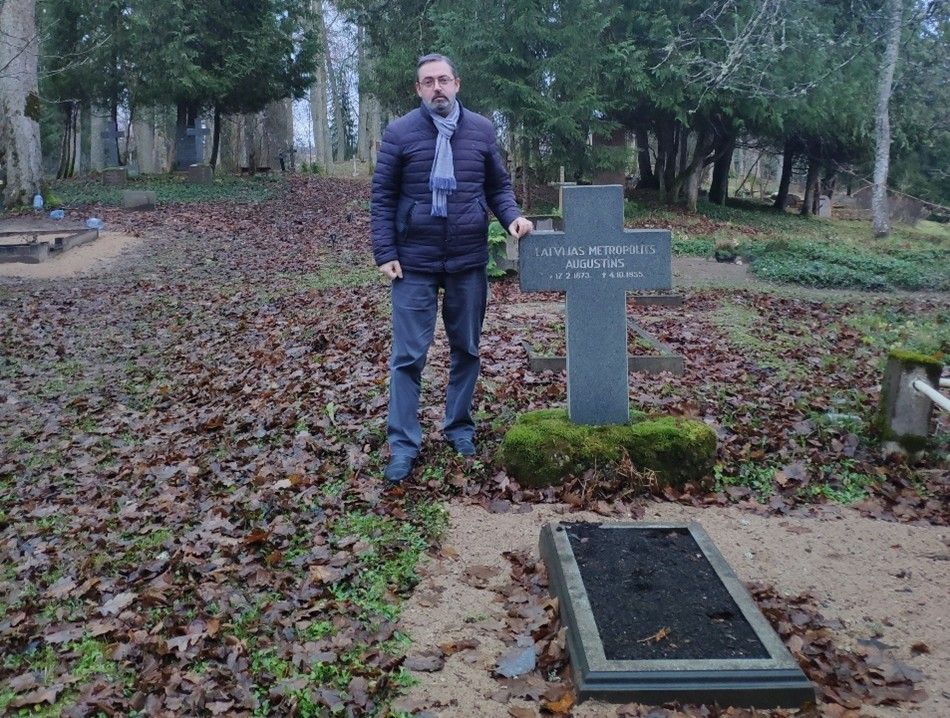
Historically, it was a natural development for the Latvian Church that, after the collapse of the Russian Empire and Latvia's attainment of state independence in the early 20th century, it embarked on a path of reviving its own ecclesiastical identity and independence. This process was finally completed canonically after the restoration of unity with the Mother Church of Constantinople and the granting of a tomos of ecclesiastical autonomy to the Latvian Orthodox Church in 1936.
In our time, the natural process of further revival and development of the Latvian Orthodox Church is possible through the restoration of canonical autonomous status based on the tomos of the Patriarchate of Constantinople dated February 4, 1936, and the restoration of the legitimate ecclesiastical jurisdiction of the Mother Church of Constantinople, which existed here before the Soviet occupation of the country in 1940 and 1944, and which was expelled and destroyed in Latvia by the Soviet occupation regime through brutal repression.
About autor: Dr. Serhii Shumylo, Ph.D. in History, Doctor of Theology (ThDr.), Director of the International Institute of the Athonite Legacy; Honorary Research Fellow at the University of Exeter (UK); Research fellow of the Institute of History of Ukraine, National Academy of Sciences of Ukraine; Honored Worker of Ukraine Culture