
Pope Leo XIV to release encyclical on the impact of AI on work and society


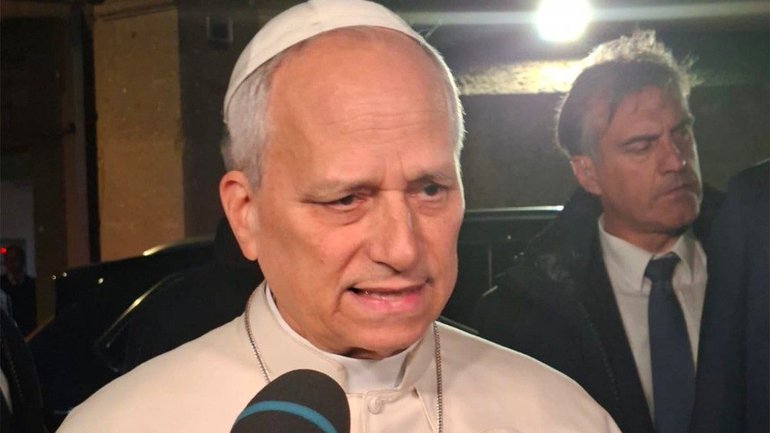
Pope Leo XIV is expected to sign his first encyclical in late May, positioning artificial intelligence as the defining moral and labor challenge of the new industrial revolution. This was reported by Axios, according to UNN.
This encyclical will represent the Catholic Church’s most significant effort to place human dignity, labor rights, and ethics at the forefront of the AI discussion. Reports from Catholic and European media indicate that Leo XIV will sign the document on the anniversary of “Rerum Novarum” (1891), Pope Leo XIII’s influential encyclical addressing labor issues during the industrial era.
According to the Holy See Press Office, the encyclical will be announced on May 22, as reported by InfoVaticana, a Spanish news outlet covering Vatican affairs. The encyclical will focus on the impact of AI on “people and working conditions,” marking Leo XIV’s attempt to modernize Catholic social teaching for the age of artificial intelligence, as noted by the French newspaper Le Monde.
Other sources suggest that the encyclical, titled “Magnifica Humanitas,” will emphasize that technology should remain subordinate to humans, rather than the other way around. It will assert that AI systems must prioritize the protection of workers, creativity, and moral freedom. While the Vatican has not officially commented, it has issued guidelines on AI and established monitoring bodies within its offices.
Former Pope Francis frequently cautioned that AI poses a risk of reducing people to mere data points. The Holy See has also endorsed the “Rome Call for AI Ethics,” an initiative advocating for transparency and the development of human-centered AI.
Encyclicals are vital documents issued by the Pope to set priorities and outline how the Catholic Church responds to significant global challenges. They often serve as a roadmap for the papacy, signaling which issues will be prioritized for the world’s 1.4 billion Catholics.
In February, Leo XIV urged priests not to use AI to compose sermons or seek “likes” on social media platforms like TikTok.
Andrew Chesnut, Chair in Catholic Studies at Virginia Commonwealth University, remarked, “It’s exactly that fear… that machines are replacing human labor. And that’s exactly what we’re seeing now with artificial intelligence.”
He added that Leo XIV perceives AI not merely as a technological trend but as a repetition of the Industrial Revolution, during which many entry-level workers began to “disappear” as automation increased.
“This will be one of the fundamental pillars of his papacy,” Chesnut noted.