

“Protecting the sheep, yet nourishing the wolves”: Declarative independence and reluctance to break with the Moscow Patriarchate — Vyacheslav Horshkov on the UOC's situation


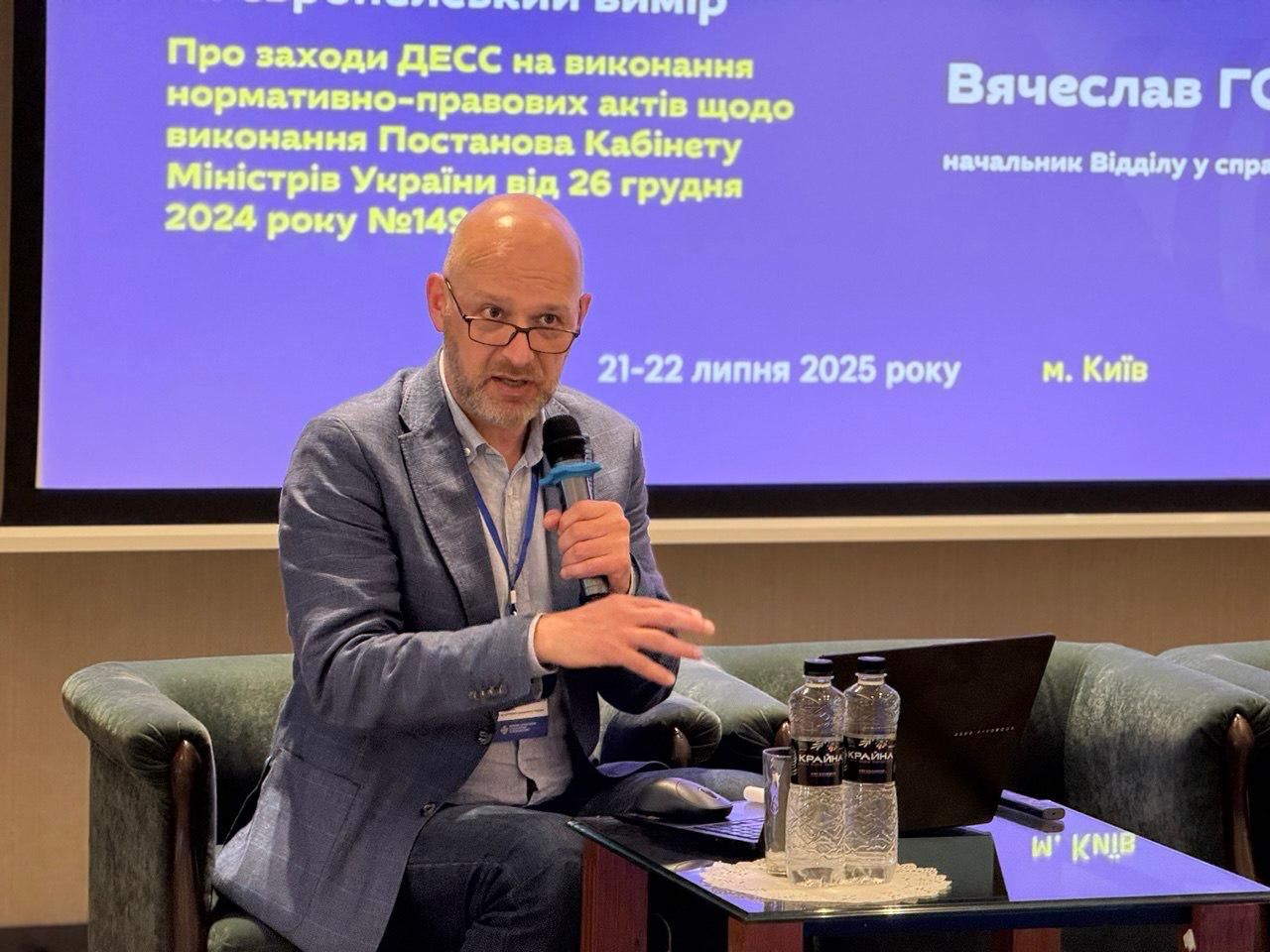
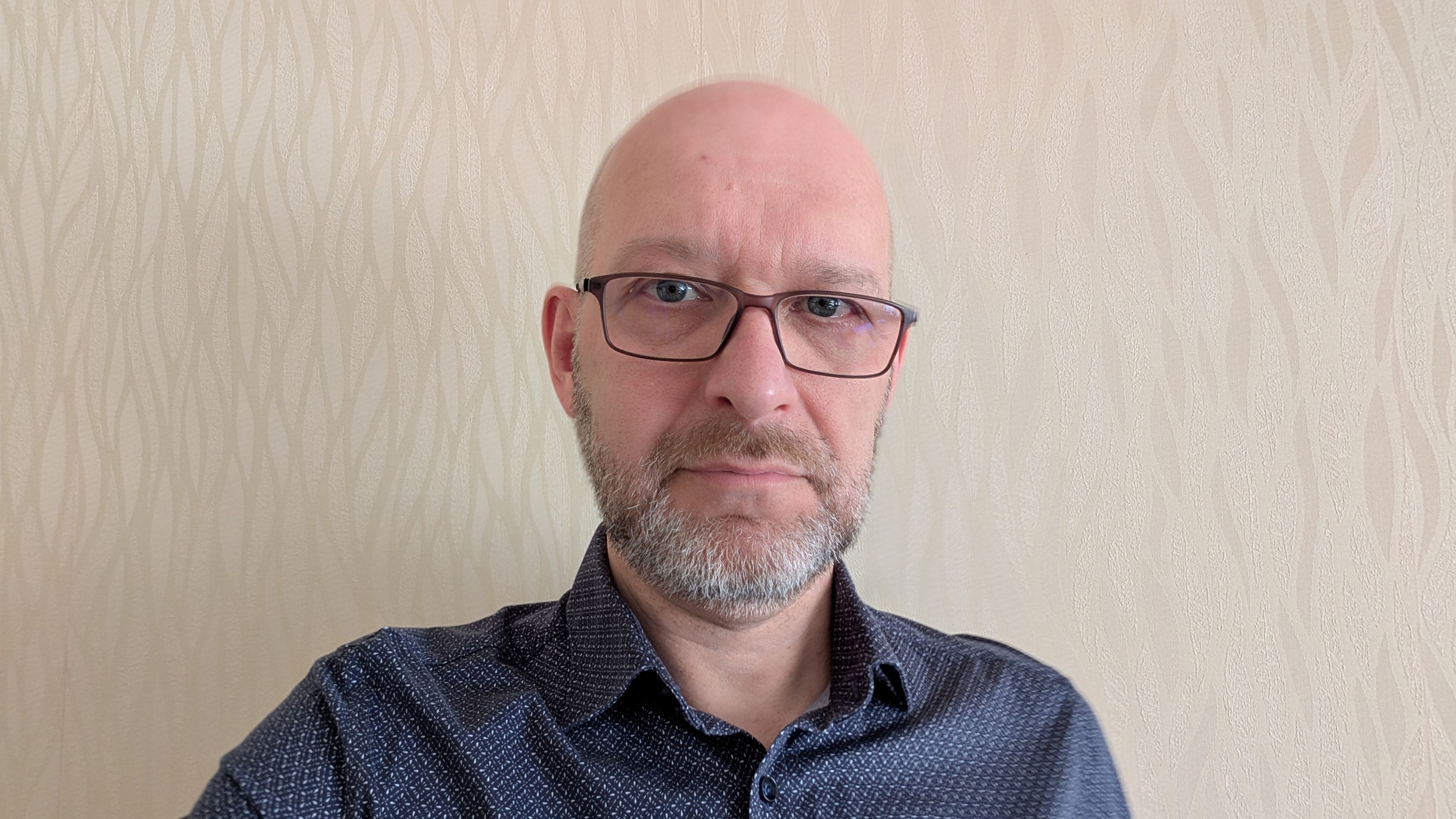
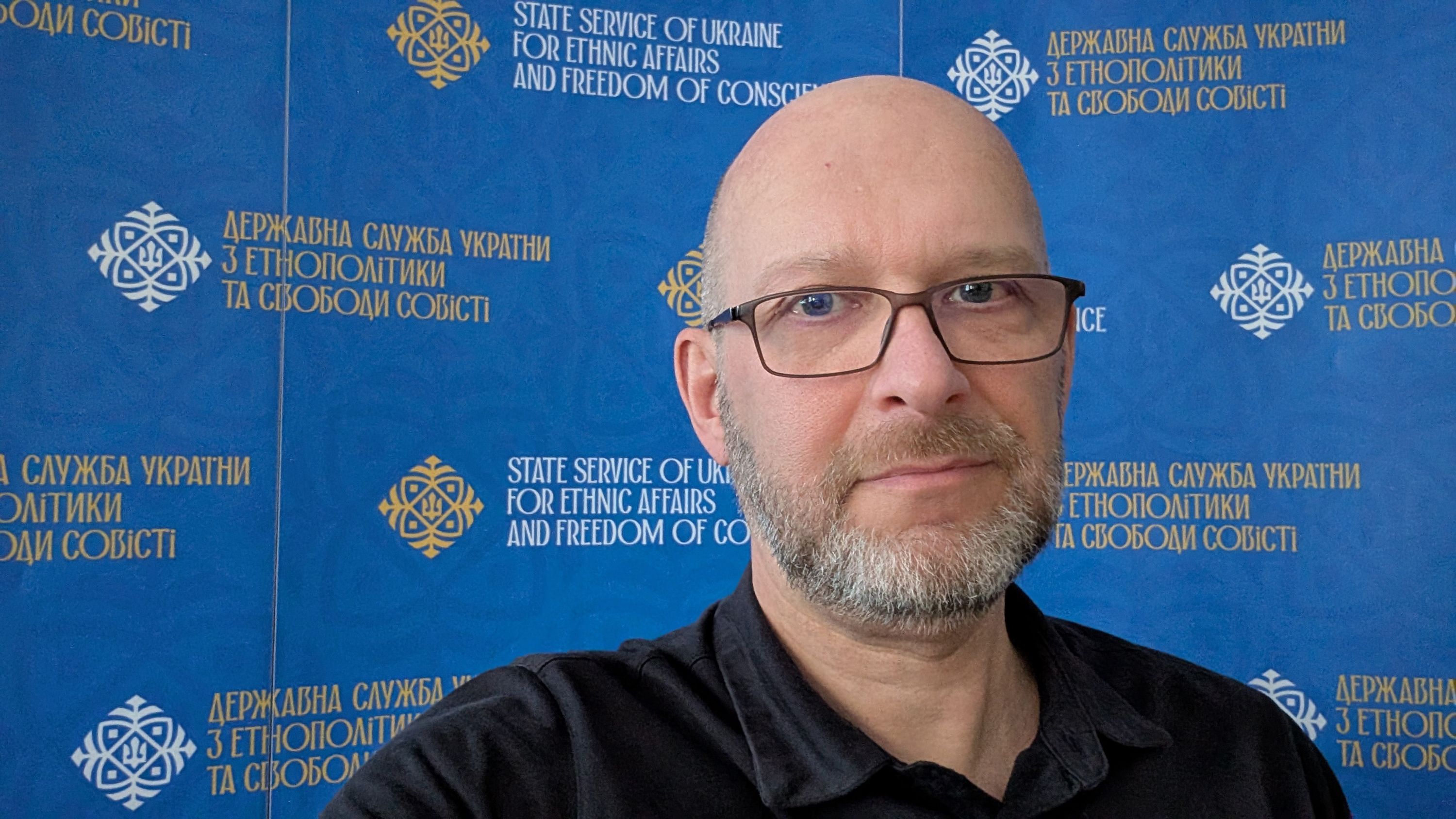
We asked Vyacheslav Horshkov, Head of the Department for Religious Affairs of DESS, to clarify the situation regarding the next steps for implementing this law, whether the enforcement of the law threatens freedom of religion, about interfaith dialogue, and about international reactions to all this.
Editor’s note: Our conversation with Mr. Vyacheslav took place following the issuance of the DESS's order to the Kyiv Metropolia of the UOC at the end of July 2025 and concluded when the UOC issued a response letter in mid-August. At that time, the Kyiv Metropolia of the UOC still had the opportunity to sever its ties with the ROC MP, as mandated by the State Service on Ethnic Policy and Freedom of Conscience in accordance with current legislation.
— The recently published results of a study addressed the issue of the presence of signs of affiliation of the Kyiv Metropolia of the UOC with a foreign religious organization whose activity is prohibited in Ukraine. The Metropolia is required to take a number of steps to sever ties with the Moscow Patriarchate. However, experts are confident that nothing will be done.
Mr. Vyacheslav, as we see also in other cases, the UOC applies a reliable method of delaying the process through the courts. Is there any way for DESS to avoid turning the implementation of the law into an “endless process”?
— Thank you for this very important question, which reflects the concerns of a significant part of society about the effectiveness of enforcing legislation in such a sensitive area as state–religion relations.
DESS is fully aware of the challenges we face in implementing the Law of Ukraine “On the Protection of Constitutional Order in the sector of activities of religious organizations.” We understand that any decisions concerning the activities of religious organizations may be subject to judicial appeals, but this is absolutely normal for a rule-of-law state. The right to judicial protection is one of the fundamental rights.
Therefore, we do not view judicial proceedings as an insurmountable obstacle or as an “endless process.” On the contrary, we see them as an opportunity for a final, legitimate, and legally flawless resolution of disputed issues. Our goal is to ensure the implementation of the law exclusively within the legal framework, with full adherence to all procedures and guarantees provided by the legislation of Ukraine and international standards.
I want to emphasize that the purpose of the aforementioned Law is not to ban religious organizations registered in Ukraine, but to prevent Russian influence through the existing network of religious organizations.
If you carefully look at the order that DESS, based on the results of the study, sent to the Kyiv Metropolia of the UOC, you will see that it does not demand from the religious organization anything excessive or impossible.
— Do you believe that the UOC will heed these requirements? Until now, they have spoken in such a way that they do not intend to change anything and have distorted their substance.
— We understand that within the UOC, there are different views on the demands of the State, set out in the form of the DESS order addressed to the Kyiv Metropolia of the UOC. We are monitoring the opinions expressed by UOC religious figures regarding the order, but until we receive an official position from the Kyiv Metropolia of the UOC, we treat them as the private opinions of individuals.
Whether we believe the UOC will heed the demands or not (I personally have some positive expectations) is not of great importance, since the matter is considered from the standpoint of law and legal norms. We have made proposals to a specific legal entity, which has certain obligations toward the state. And if it wishes to remain within the legal field and continue to enjoy the rights of a legal entity, it must comply with the requirements of the law.
Therefore, what is more important to us is not whether they “listen,” but whether they “comply.” This will determine the state’s next steps.
— Suppose the Kyiv Metropolia of the UOC really fulfills all the requirements. But can their worldview, their past activities, and statements really be changed? That is, by rewriting statutes and other documents, their content does not change.
— I do not know of examples where the internal transformation of a religious community happens quickly. It always takes years, even decades. Therefore, compliance with the order’s requirements does not, of course, guarantee an automatic change of worldview. However, the state does not interfere in matters of faith and belief. State intervention occurs when certain beliefs become an instrument of influence by another state that is waging aggression against Ukraine.
I emphasize that the law does not require changes to theology or spiritual practice. It requires the removal of institutional ties that create risks for national security. If these ties are severed, that will already be an important step toward reducing tensions in our religious sphere.
As for changes in worldview, let that process take place through dialogue and the growth of trust. The state and society must also make efforts to create conditions so that such a process is possible.
— In recent years, there have been situations with parish transfers from the UOC to the OCU, when in fact they were carried out without the real participation of parishioners. Then, regional administrations reported/boasted the liquidation of UOC legal entities in the regions. But the faithful and the clergy remained, and they probably did not become more loyal to the state after such processes. Will the implementation of this law follow the same path?
— We monitor such cases to the extent possible. I note that DESS does not have territorial divisions, and the registration of religious communities falls within the authority of local bodies of power, such as regional or city administrations (ODA/OVA and KMDA). We understand the sensitivity of the issue of transfers, and therefore stress the need for voluntary, transparent, and legal procedures. I will repeat: the law in question does not provide for the forced change of confessional or jurisdictional affiliation. It is about preventing the aggressor state’s influence through a network of religious organizations. If a religious community wishes to remain within the UOC, that is its lawful right. But the UOC must not be connected with the ROC, whose activity in Ukraine is prohibited.
We would not want situations to arise where administrative decisions get ahead of real changes in communities. What we want is genuine security and legal certainty, not just the appearance of them — don’t you agree?
— Logically, yes. But in practice, not necessarily. In particular, when it comes to submitting a report, it sometimes resembles Soviet times, when the Komsomol said “yes” to the Party’s assignment.
The UOC-MP has long taken the position of a so-called “persecuted” Church. This is a convenient stance for them: it requires no proof, it appeals to emotions, and it allows the spread of propaganda with openly anti-Ukrainian content. According to this position, they do not comply with legal demands but, again and again, through their lawyers and sympathizers, cry out about persecution for their faith. In fact, they drag the matter out to the very end, in order to demonstrate to their audience their “steadfastness in the faith.” So, what steps is the state prepared to take now to ensure everything is done in the spirit of the law? I recall that the recent law requiring the UOC to be renamed as the ROC in Ukraine never came into force — it seems there was no political will to enforce it.
— DESS, as an executive authority, acts and will continue to act strictly within the framework of the Constitution and laws of Ukraine. We do not consider questions of political will or unwillingness—there is a current law, and there is responsibility for its enforcement, both on the part of religious organizations and on the part of state bodies.
The law does not provide for a range of options for the state. Article 16 of the Law of Ukraine “On Freedom of Conscience and Religious Organizations” defines the concrete steps DESS must take if a religious organization fails to comply with an order. And those steps will indeed be taken if the organization does not submit a report on the elimination of violations, or if the submitted report does not confirm that the violations specified in the order have been remedied, and if there are no grounds for revoking the order.
If the Kyiv Metropolia of the UOC fails to comply with the order, then first of all, it will be officially recognized as affiliated with a foreign religious organization whose activity in Ukraine is prohibited.
Next, DESS must follow this procedure:
1. Issue appropriate orders to religious organizations that are part of, or linked to, the structure of the Kyiv Metropolia of the UOC;
2. Send notice of the recognition of the Kyiv Metropolia of the UOC as affiliated with a foreign religious organization whose activity in Ukraine is prohibited to the State Property Fund of Ukraine, to local self-government bodies, and to other legal and natural persons known to be providing property for the use of the religious organization, for the early termination of such usage rights — including the early termination of lease contracts concluded with the organization — and the cancellation (early termination) of decisions granting the use of such property;
3. File a lawsuit in court seeking the termination of the Kyiv Metropolia of the UOC as a religious organization.
As you can see, the steps are serious, and these are not options. The procedure is very clear, and I do not think there will be any token decisions or “box-ticking” in reports.
Of course, if the matter reaches court, lengthy litigation may begin. However, dragging out court cases is not endless; after all, in Ukraine, there is liability for abuse of procedural rights.
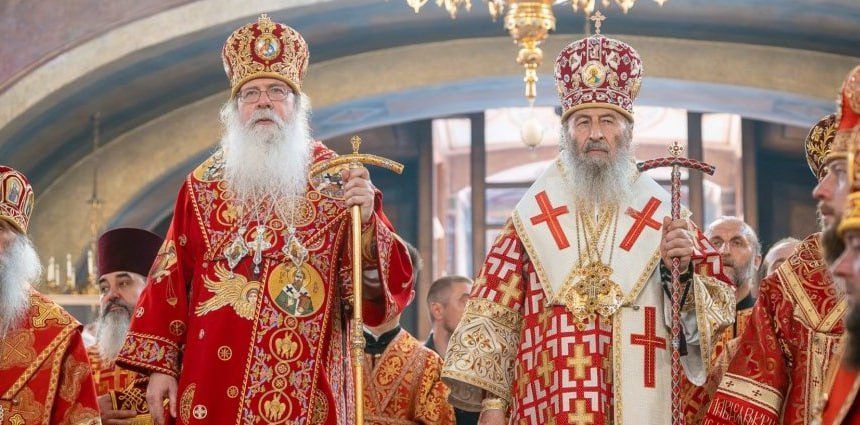
— Let’s imagine a situation: the UOC ignores the requirements of the state, and, one after another, through court decisions, the diocesan administrations and so on down the line lose their legal status. For a significant part (if not the majority) of the UOC, merging with the OCU would mean going against themselves. Breaking with the ROC-MP without merging with the OCU would mean going into schism, which for them is also not an option. At the parish level, of course, some may, for the sake of peace, declare an official exit, but canonically still remain part of the MP. Or they may seek refuge in other jurisdictions — for example, the Romanian Church, which follows its own interests and is aggressively demanding the registration of its structures in Ukraine. Can we assume that a situation may arise where other Orthodox Churches, which may be inspired to do so, will also want to enter canonically into Ukrainian territory, for instance, in Transcarpathia, where the MP has a very strong presence?
— We are considering different scenarios and analyzing possible risks. Religious life does not exist in a vacuum, and therefore, the canonical or jurisdictional issues of world Orthodoxy have a certain impact on Ukraine.
However, there are some fundamental points. The state does not decide which churches are canonical and which are not. That is a matter for theological and interchurch discussions. In Ukraine, there are several Churches that see themselves as Orthodox—it is not only the OCU or the UOC. The task of state bodies is to ensure that the activity of any religious organization in Ukraine is lawful, transparent, and safe for the state.
We are aware that other local Orthodox Churches may have their own interests and may try to expand their influence. There are sensitive issues here that touch on strictly ecclesiastical principles — for example, the principle of autocephaly, which is generally recognized among Orthodox Churches.
Not all questions are directly regulated by legislation, which is why there is space for dialogue — interstate, interchurch, and state–church dialogue — which should be used more fully to resolve sensitive issues of interchurch relations. Sensitive problems must be resolved delicately; heavy-handed approaches only aggravate these problems rather than solving them.
Furthermore, even today, we already see different paths chosen by UOC communities in deciding their future. It should not be assumed that they have only one option, to move to the OCU. There are a number of communities that have acquired the status of independent bodies. Yes, within the Orthodox tradition, this is a rather unusual choice, but history knows such examples. I would note that communities have the legal possibility to form new religious associations, so I do not rule out such a development in the future.
Overall, in world Orthodoxy, many problems have accumulated that need to be resolved on a pan-Orthodox level, and here in Ukraine, we may observe the consequences of these accumulated problems, so to speak, in full. This, of course, creates tension, but I see more opportunities here than threats. I believe that the Orthodox Churches of Ukraine — the OCU and the UOC — still have the chance to engage in serious dialogue and mutual understanding, and along with that to find a common solution to pressing interchurch problems and offer it to world Orthodoxy.
The recognition by authoritative international institutions of the ROC’s participation in anti-Ukrainian Russian aggression, and the ban on the ROC’s activity in Ukraine, is a consequence of that Church’s flagrant betrayal of evangelical principles and virtues. Therefore, for me, it is obvious that even a secular state, such as Ukraine, has an interest in ensuring that the Churches are not only declaratively but genuinely committed to the foundations of their faith, because only this prevents them from being turned into instruments of criminal ideologies.
— As we can see, in the newly issued statement signed by the head of the UOC-MP, Metropolitan Onufriy, addressed to DESS, it is stated quite explicitly that they do not understand why they should comply with your orders. “The Kyiv Metropolia of the Ukrainian Orthodox Church has concluded that the points of the Order obliging it to eliminate violations of the legislation on freedom of conscience and religious organizations are fictitious, have no relation to the Ukrainian Orthodox Church, and therefore cannot be implemented.” Have you already had the opportunity to review the text of this letter signed by Metropolitan Onufriy?
— On the webpage with this text, it is written that it was sent to DESS. However, we have not yet officially received it (our conversation took place two days after the online publication of this text. — Ed.). When that happens, we will respond as a state body should, so for now, I will refrain from commenting on this statement.

— On social media, some have said that since the UOC-MP refuses to comply with the order, DESS can already move on to the next steps in such a case. Do such letters and statements affect your work, or do they provoke more decisive steps from the authorities in response?
— Of course, we will pay close attention to this statement. But I don’t think it will “provoke” any government actions that go beyond the procedure I outlined earlier—linked to the research process and the response of the religious organization to the order.
— A question to you, not as a representative of DESS, but as a scholar of religion: in your personal opinion, why does the leadership of the UOC-MP so stubbornly choose conflict with the authorities instead of seeking understanding? Do such methods mean that they are deliberately dragging out the process while hoping for something else — say, protection from Moscow?
— My personal opinion is this: the leadership of the UOC is facing a very difficult choice. On the one hand, they understand the expectations of Ukrainian society and the demands of the state. On the other hand, the identity of the UOC and its internal structure have been built for many years in close connection with the Moscow Patriarchate. At present, we can speak of an attempt “to save the sheep and feed the wolves”—to officially declare independence while in fact not breaking historical and institutional ties. As a result, this comes across as conflict and rejection of the state’s requirements.
Dragging out the process is almost always a way of buying time. I do not rule out that some within the UOC are indeed hoping for support from Moscow or for a change in political circumstances. However, such a strategy is looking increasingly unpromising, since the Ukrainian state has taken a clear position: issues of national security and the influence of the aggressor state cannot be ignored. This is something our international partners also understand — especially those who have directly faced the reality of Russia using ROC structures for purposes that are far from religious.
— By the way, speaking of “protection” from those who founded the UOC-MP. American media reported that during his meeting with Trump, Putin tried to make the inviolability of the ROC’s branch in Ukraine one of his conditions. Why does Moscow keep compromising them like this? In past cases, the UOC-MP’s reaction to such “protection” was rather feeble.
— Such behavior by Moscow is a cynical use of religion and a real disservice to the UOC. It demonstrates that Russia does not consider the UOC an independent entity, but merely a branch of the ROC.
In this way, it underscores that the UOC is part of the “Russian world,” a Russian instrument of soft power and a lever of political influence in Ukraine. If such a demand was indeed raised during the Alaska summit, it is a vivid confirmation of that.
The feeble reaction of the UOC to such Russian attempts at “protection” creates the impression of its institutional and psychological dependence on the ROC and looks rather compromising for the UOC itself.
— There is a phrase: to grow out of short pants. That is, to become an adult and put on long trousers instead of children’s shorts. With regard to the UOC-MP, it seems they are not only stubbornly unwilling to grow up and become truly independent, but even in their “updated” statute, the very first clause about the origin of the UOC from the ROC remains. And that clause refers back to the charter of the Moscow Patriarch, which clearly defines their degree of dependence on the ROC as a mother, without which they are not a subject at the global Orthodox level. One might say: “Mother won’t let them leave the sandbox.” Even other Orthodox Churches, including Balkan supporters of the ROC-MP, explicitly call its structure in Ukraine the UOC-MP, because for them it is obvious that it remains part of the MP.
During the Russian ruler’s recent visit to Alaska, he was warmly greeted there by a hierarch of the Orthodox Church in America. That structure arose from the ROC’s mission in North America. And although Moscow granted it autocephaly in 1970, for the Ecumenical Patriarchate it still remains a self-governing part of the ROC. That is, its status may be more independent than that of the UOC-MP, but it is still not recognized by all as autocephalous. Could such an autocephaly from the ROC-MP for the UOC be, at least formally, a way out of its current conflict with Ukrainian law? Or would Patriarch Kirill be unable to take such a step, perhaps out of fear of Putin?
— Communities, just like individuals, do not mature overnight. It is always a long and painful process, the essential element of which is making responsible decisions that establish the subjecthood of the one who is maturing. These are not decisions that someone else can make for me — I must make the choice myself, understanding its consequences, so that if they turn out unpleasant, I blame no one else, but draw the right conclusions, enrich my own experience, and thus become more mature and wise.
As for the example of granting autocephaly to the OCA, that was not, as far as I know, some whim of Moscow. It was preceded by a certain process and a serious internal discussion within the OCA itself, which genuinely strove for autocephaly. Perhaps I am wrong, but I do not see anything of the kind within the UOC, and therefore I do not believe there are grounds for granting autocephaly to the UOC from the ROC — whether Patriarch Kirill might want it or not. Conversations about such autocephaly are, in my view, more theorizing than something practical.
We have another example — the Old Orthodox Church of Ukraine, formerly the Kyiv Archdiocese of the Russian Orthodox Old-Rite Church. After the start of Russia’s full-scale invasion, when their former metropolitan unambiguously supported the so-called “special military operation,” they appealed to him for autocephaly and, without waiting for an answer, made it clear by their own decision that they were leaving his jurisdiction. I emphasize that this was an independent and conciliar decision of that Church, without any coercion from the state. And today, the state has no claims against the AOCU. Therefore, for me, the example of the AOCU is weightier than that of the OCA.
— Regarding the conflict between the UOC-MP and Ukrainian society. For some of the faithful and clergy of this Church, it is indeed a problem, because they are closer to this society than to their own hierarchs. But for the episcopate itself, perhaps it is enough to have the “society” that lies under their spiritual and propaganda influence. For the authorities or politicians, however, public attitudes are more important, because tomorrow there might be elections, and therefore they must take into account both these attitudes and the considerable flock of the UOC-MP.
On the other hand, what real levers of influence exist over the leadership and clergy of the UOC-MP? Bishops stripped of Ukrainian citizenship continue their work here, and even travel abroad and return to Ukraine. Their clergy and staff freely cross the country’s borders even when investigative proceedings are underway against them, or when there are serious doubts they will return. Locally, even after the adoption of the mentioned law, UOC-MP organizations are still receiving land plots for church construction. And the reconstruction of the newly built Odesa cathedral of the UOC-MP, with funds from Ukrainian and foreign taxpayers, is presented as a kind of public good. So, where is the persecution they so loudly proclaim everywhere, especially abroad?
— I hope I understood the question correctly — that by the leadership and clergy of the UOC, we mean those who are authorized to make decisions that determine the future fate of the UOC as a religious association. If so, then I am convinced that the real lever of influence on them lies not outside, but within the UOC itself, and the extent of that influence depends on the degree to which the UOC corresponds to the marks of being one, holy, catholic, and apostolic Church.
The situation in which the UOC finds itself is undoubtedly a crisis, but this crisis is not at all the result of “persecution”; thank God, in Ukraine, no one is persecuted for faithfulness to Christ. Therefore, one should not call “persecution” the uncomfortable state after reputational losses caused by one’s own actions or inaction.
— Ukrainian and foreign media and investigators have been reporting for several years about the formation of a network of UOC-MP representations/parishes abroad. Dozens of UOC-MP clergy freely operate there, receive support from sponsors, and do not hesitate to concelebrate with representatives of various jurisdictions of the Moscow Patriarchate. Investigators record their cooperation with figures of various Russian cultural, propaganda organizations, and outright agent networks. As a result, Ukrainian citizens there fall under Russian informational and other influences.
Is there any way to counteract this, for example, at the level of embassies or other diplomatic missions? Do they have specialists to understand the full scale of the involvement of the ROC-MP structures, including the UOC-MP, in actions beneficial to the aggressor state?
— Abroad, there are many Ukrainian religious communities of various denominations. And the problem arises only with those that fall under Russian control. Ukraine cannot directly influence the activities of such communities, since they operate within the legal framework of other states.
At the same time, the problem of dangerous Russian hybrid policy is becoming global in nature, and therefore international cooperation is relevant to counter such Russian influence in all spheres, including the religious one. Any facts of using religious organizations for the purpose of spreading dangerous Russian influence must be exposed, and the public must be informed about it. Foreign countries must fully realize the threat of such influence. Therefore, systemic actions in the informational and diplomatic fields are needed.
— Mr. Vyacheslav, in Ukraine, different institutions conduct interfaith dialogues, including inter-Orthodox ones. How effective are they under the current circumstances and social challenges? What are their advantages, and what sometimes goes wrong?
— Dialogue is always a difficult but necessary tool, especially in times of war, when society is experiencing deep trauma, and the religious sphere is simultaneously a source of support and an area of disputes. In Ukraine, interfaith and inter-Orthodox dialogues are conducted by various institutions – governmental, civic, academic – and this is already a positive signal from those involved in the dialogue process: we are not isolating ourselves, we are seeking understanding.
Although there are not many such dialogue platforms, nor many participants in dialogue processes, I never consider them ineffective or useless. A consequence of our shared post-imperial past is the general underdevelopment of a culture of dialogue. Therefore, any dialogue process today forms a good tradition, without which the existence of a democratic society is impossible.
I personally find it very regrettable that religious communities, especially Orthodox ones, pay so little attention to the development of a culture of intra-church communication and dialogue. Intra-church dialogue in particular! Because a Church that lacks such internal dialogue is incapable of effectively communicating externally and of conducting constructive dialogue with other communities.
In my view, this problem explains most of the shortcomings in the mentioned interchurch and inter-Orthodox dialogues, namely: the inability to listen, the transformation of dialogue into an exchange of monologues, the use of dialogue platforms solely to voice one’s own position and make claims against the other side, and the refusal to seek solutions for the common good.
Another problem with such dialogues is the stubborn refusal of bishops to participate. When only priests and laity take part, serious questions arise regarding intra-church unity and the effectiveness of its existing structure.
True dialogue is not idle talk. It is not a cover for helplessness, nor is it a sign of weakness. It is a sign of maturity; it is about the search for constructive solutions to problems and about forming a common ethical position on the most pressing challenges.
— When interconfessional conflicts broke out in the early 1990s, especially in the western regions, their intensity later began to fade — either because of one or another resolution of disputes over the use of church buildings, or because the participants themselves regarded such conflicts as abnormal and sought ways of reaching understanding locally. At that time, it was mostly about churches; now, the main driver of inter-Orthodox conflicts is the war and the corresponding anti-Russian sentiments in society. And the UOC is associated with the ROC-MP, hostile toward Ukraine. Naturally, this hostility harms society no less than the war itself, because it divides it.
Given these circumstances, how can inter-Orthodox dialogue be conducted, and how can the truly hostile element within the UOC-MP be distinguished from the rest of the faithful and clergy who do not wish to be associated with the MP? Is there a chance that believers will once again come to realize the harm of such conflicts?
— The interconfessional conflicts of the early 1990s were primarily interconfessional in nature. The Greek Catholic Church was returning to life after a long ban and the forced transfer of Greek Catholics to the ROC. The UGCC was looking for its place under the sun, but it did not claim to take the place of the ROC, and later the UOC.
In my view, this is precisely why those earlier conflicts had a different character than the confrontation that exists between the OCU and the UOC. Moreover, today we are dealing with tension that has a distinctly political and security-related background — war, aggression, the ideology of the “Russian world.” And this significantly complicates inter-Orthodox dialogue, especially under conditions when one of the parties is associated with the aggressor.
In our situation, everyone must accept that dialogue is unavoidable. It is without alternative. Even if it happens that the courts decide to liquidate the UOC’s legal entities, this Church, as a religious community, will not disappear or dissolve. There will still remain those who identify themselves as members of the UOC. Therefore, there will remain a subject with whom mutual understanding cannot be achieved without proper dialogue.
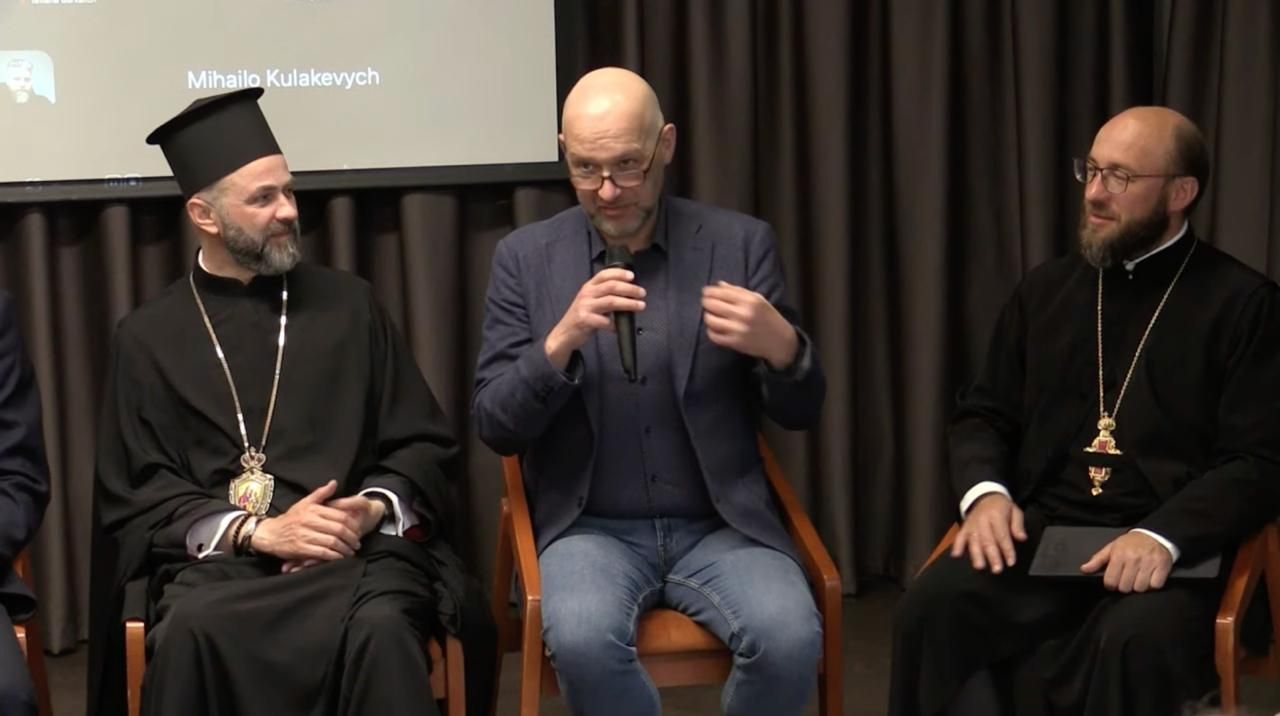
As for awakening, it is happening. The war is a harsh yet effective catalyst for rethinking. War sharply raises not only the question of resisting aggression, but also of what this resistance is for. Do we have a shared vision of the future? Do our dreams of happiness, of Ukraine’s destiny, of the place of the individual in society coincide? Therefore, we do have things to discuss if we truly want to live in peace in our own country.
Churches usually present themselves as communities that preserve the treasures of a thousand-year-old experience of knowing God. I very much wish that these treasures would not remain locked in precious chests, but be actively applied in all forms of internal and external interaction. Otherwise, the spread of doubts in society about whether churches actually possess these treasures will be inevitable.
##DONATE_TEXT_BLOCK##