
"Twilight Before Dawn..." — Stories About Why Ukrainians Cannot Be Defeated


Vice President of UCU, Fr. Bohdan Prach, became one of the inspirations behind the project. As a historian, he has often had to search archives for materials on events from the 1940s-1950s. Unfortunately, only 10-15% of the information could be found — far too little to form a complete picture. This scarcity was largely due to the lack of recorded testimonies.
"Every single day of people's lives that I researched was significant, both for them and for our historical process. But I couldn't trace it. Whenever I found someone's memory, I couldn't sleep for three days out of sheer joy. I had been searching for materials for years, and those memories simply didn't exist.
That's why it was so important for me to seize the moment and gather information from witnesses who can share their lived experiences today. These current testimonies will hold immense value for future historians," Fr. Bohdan Prach shared.
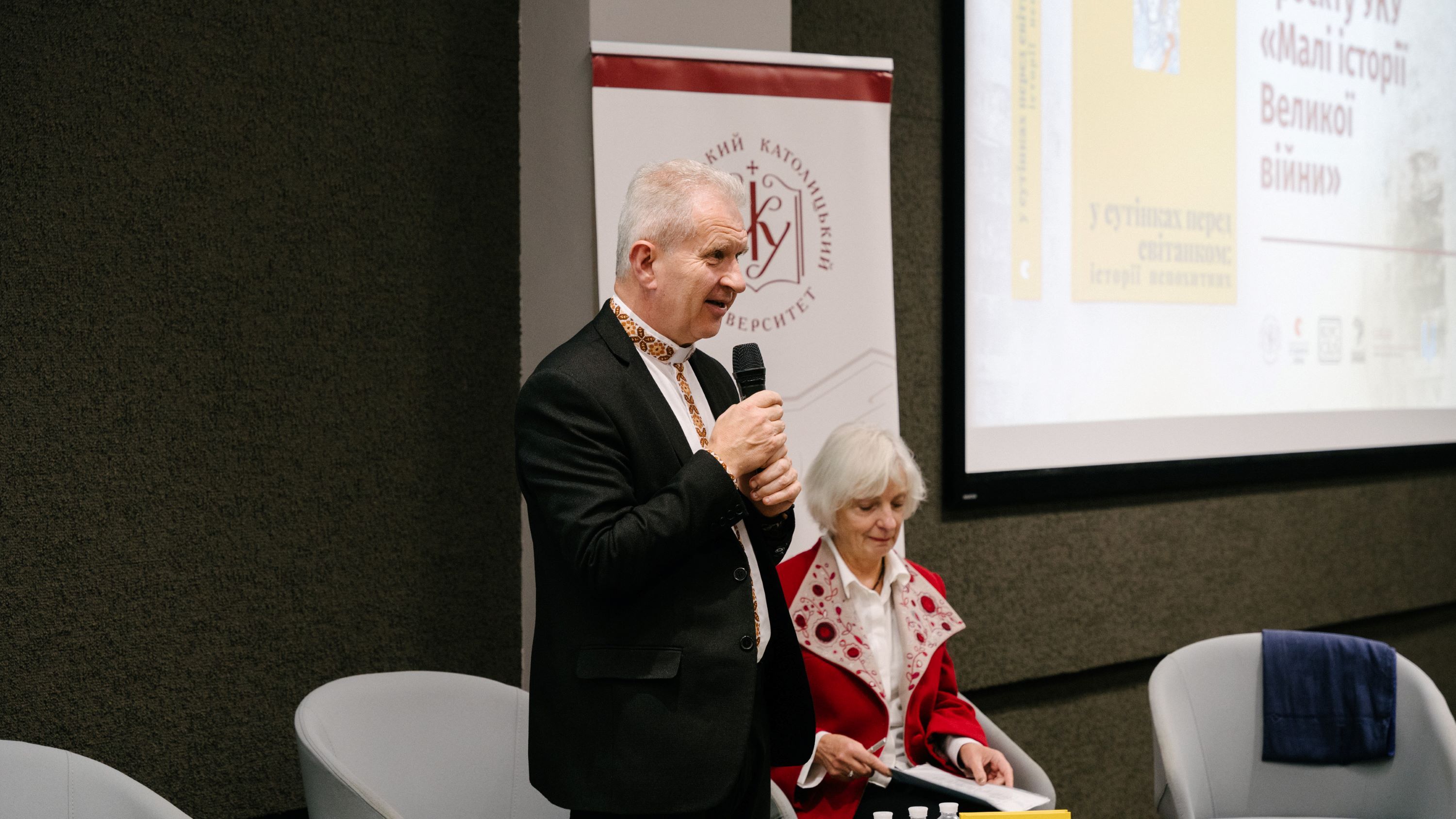
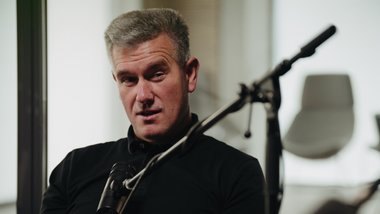
The editors and compilers of the publication are Olena Dzhedzhora and Veronika Savruk. The project manager is Ivanna Mohyliak, and the videographer and journalist is Petro Didula.
Veronika Savruk recalls that after the start of the full-scale invasion, the UCU campus became a place where people simply had to live. There was an overwhelming amount of work: people arrived seeking shelter, humanitarian aid and medicines were being distributed — hands were needed everywhere. Yet, Fr. Bohdan's idea resonated deeply: it was essential to document everything so that nothing would be forgotten.
"In the second or third week of the Great War, Ivanka Mohyliak called and said, "I'm ready to get involved. What needs to be done?" And that's how our "Small Stories..." project began. Petro Didula traveled to the train station, border checkpoints, and to countless other places. There was hardly anywhere we hadn't been.
The next difficult stage for me personally was the death of Artem Dymyd. At his funeral, all his closest comrades came: Pavlo Didula, Roman Lozynskyi, and Dmytro Pashchuk. We recorded interviews with them about how Artem died. These were incredibly challenging conversations. Dmytro Pashchuk took a long time to agree to his interview, and then he, too, was killed. That interview was published posthumously.
We have many such stories — around three hundred. There's simply not enough time or hands to process and publish them all. This is an enormous undertaking involving many people who contribute purely out of goodwill. It’s all done on a volunteer basis; we usually work at night or on weekends. Our goal is to document this war. Some of our heroes have been interviewed twice, such as Hrytsko Prystai and Maksym Osadchuk. We can see how much they are changing through this war and how their perception of everything is evolving. It’s vital to capture this progress because it is the story of our resilience."
Today, there are many initiatives and projects in Ukraine striving to document this war, preserve people's memories, record testimonies about Russia's crimes, and share stories of our struggle. However, the project "Small Stories of a Great War" stands out in several ways. It is entirely volunteer-driven. Moreover, it is created not by professionals, but by compassionate individuals from various fields of work.
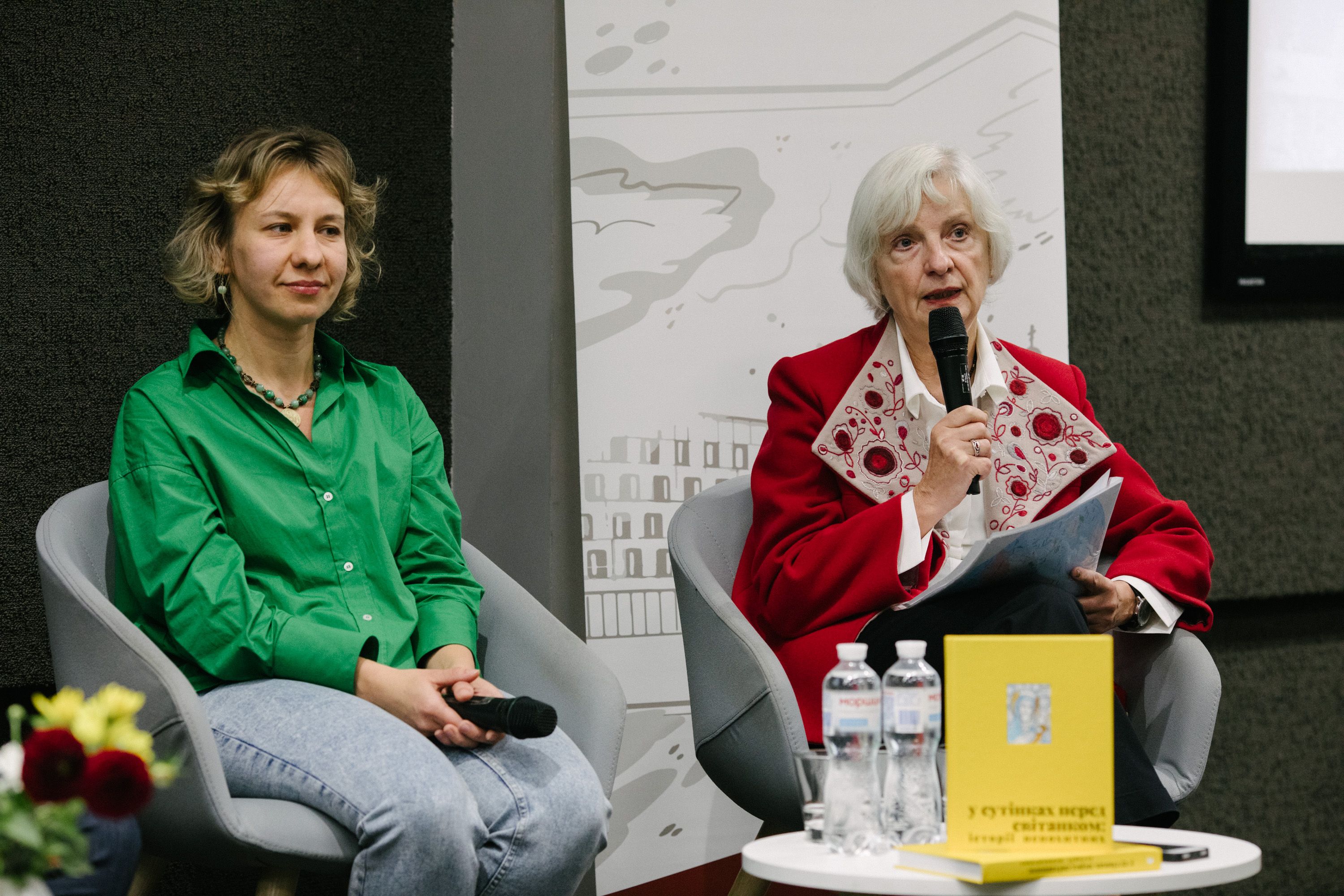
"Most similar projects are either media-focused or documentary in nature. But we were either bold or inexperienced enough to try doing both at once. So far, we've succeeded. Of course, the focus has shifted over time. For both sides of the project, having a sensitive perspective was essential. Many people are camera-shy, and discussing certain topics is incredibly difficult. But we had that "perspective" — and it was Petro Didula," says Olena Dzhedzhora, historian, one of the book's editors and compilers, and co-founder of the "Small Stories of a Great War" project.
Since the project's inception, the interviewers have undertaken several expeditions: collecting stories directly from communities and getting closer to the frontline. However, the very first expedition, according to Petro Didula — a journalist with UCU's Information Department and co-founder of the project — took place on the grounds of the student campus, during those initial encounters.
"We found ourselves on a campus that had changed in an instant. People arrived and began sharing stories that were deeply wounding. At times, it was almost unbearable — you wanted to cover your ears. But we opened up instead. I remember sitting in the dining hall, and at the next table, a nurse from Mariupol was recounting how they had barely escaped the city just the day before.
It became clear that this couldn’t be left undocumented. We had no moral right to ignore it. That was our first expedition — the moment that gave impetus to the entire project, shaped our team, and defined the key directions of our work."
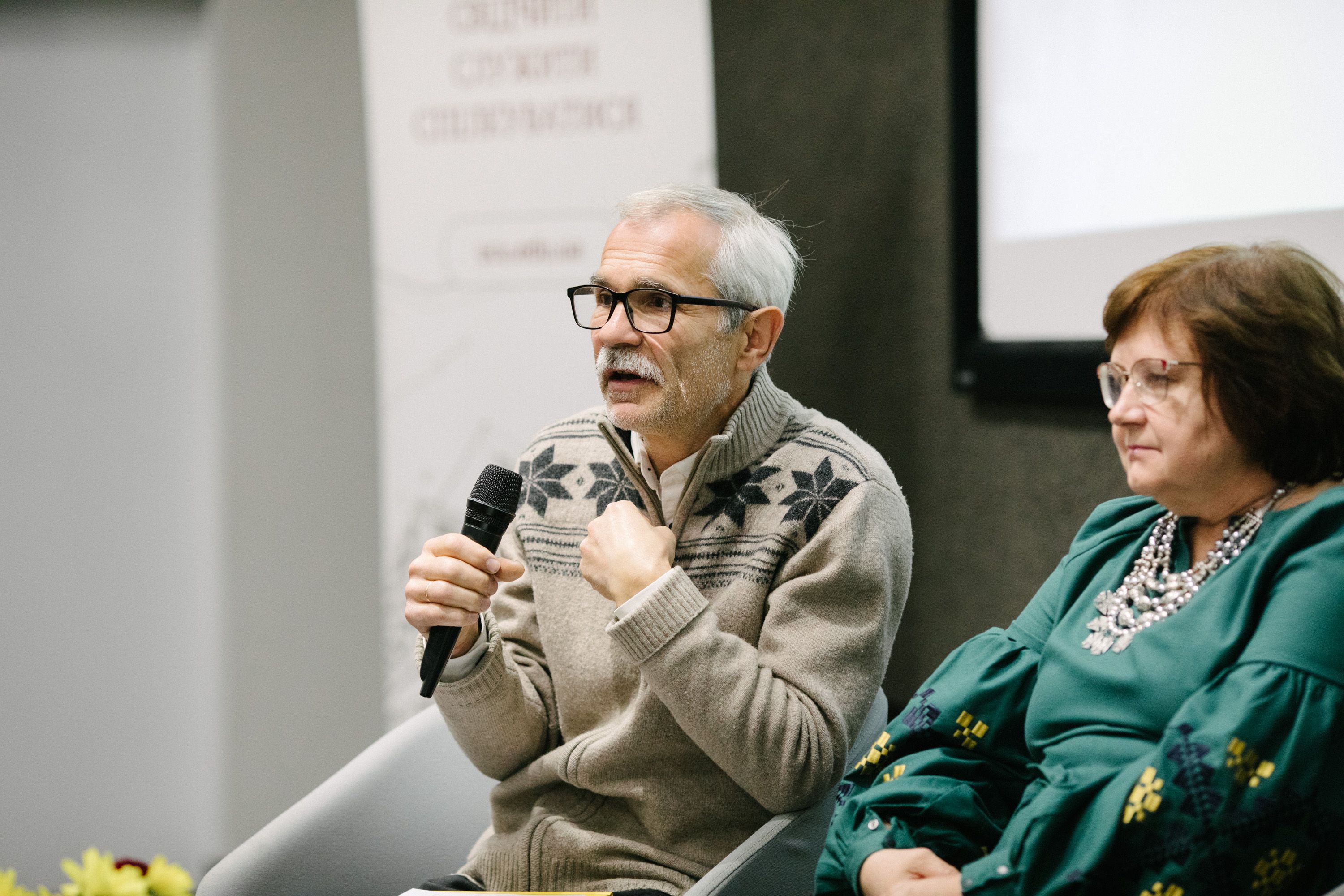
The subsequent expeditions ventured further and further. The primary goal was to encounter new contexts and the people within them. There were no experienced interviewers on the team, but there were those with the desire to travel, listen, and preserve stories. Petro Didula shares that, although it was one project, each conversation was unique, shaped by who was listening and who was asking the questions.
"At first, we thought about advanced, large-scale projects where everything is structured and pre-planned. But, on the other hand, our lack of professionalism helped us find our place in capturing the living history of this war. These expeditions became a way to discover new intuitions and questions, which consistently bore new fruit.
In these expeditions, people opened up in ways that seemed impossible on campus. For instance, during the last expedition, we recorded stories from UCU alumni. For the first time, we delved deeply into topics such as the relationships between soldiers and their wives and children, as well as the bonds between comrades in the ranks. When we traveled to areas where soldiers could not leave, we observed an unusual openness on their part."
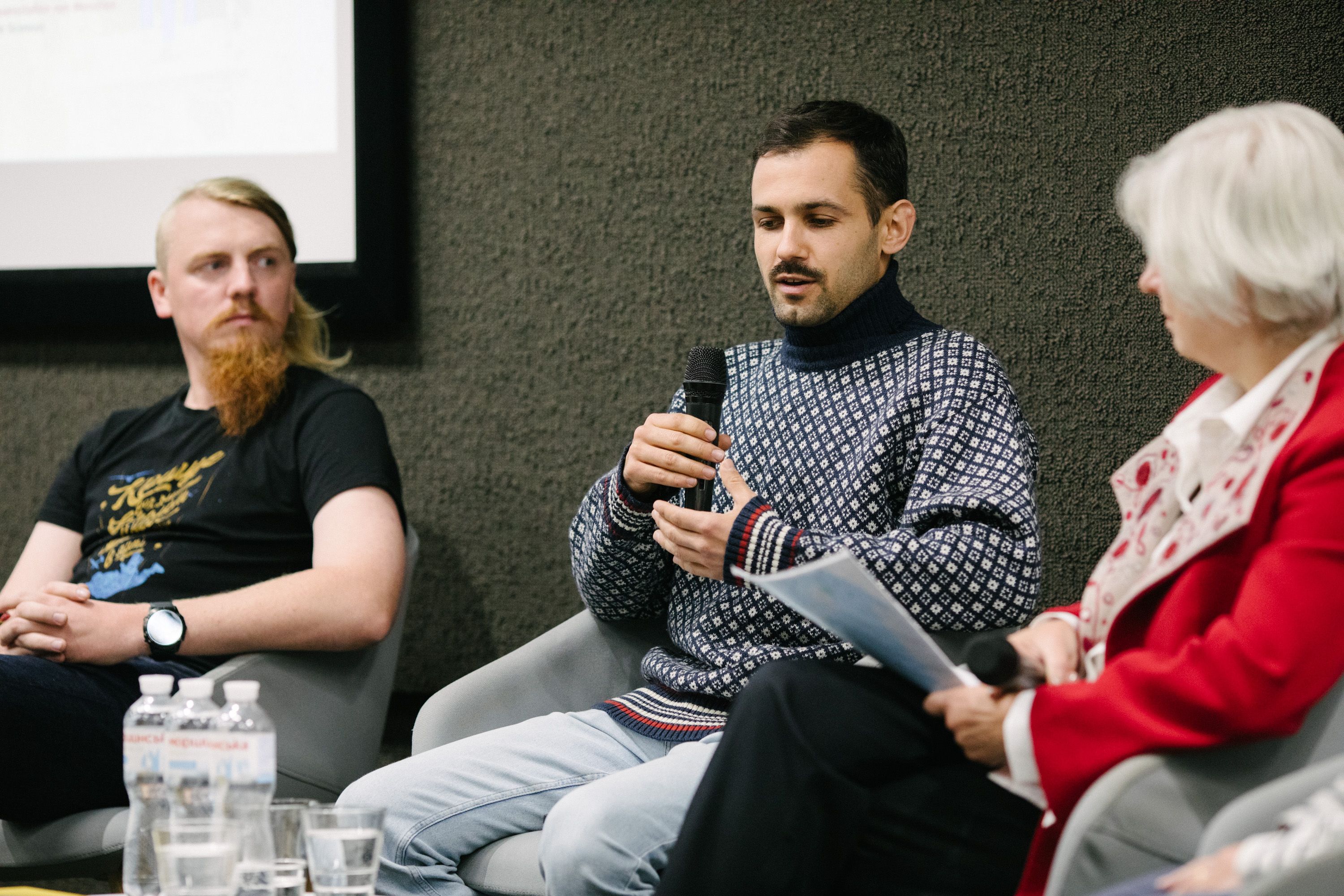
Petro’s son, Pavlo Didula, a serviceman in the Armed Forces of Ukraine, began recording the stories of his comrades right where they were stationed. So far, he has conducted about 40 interviews. These stories not only recount events but also delve into how the circumstances affect individuals and their relationships.
"These interviews are conducted during rotations, during moments when there’s an opportunity to talk to people. Our conversations are friendly because we share the same combat missions. I think that’s their main charm. I find these stories fascinating. Thanks to this project, I know more people than our brigade commander does," Pavlo jokes.
Oksana Novikova, one of the project’s participants, came to Lviv from Crimea at the very start of the Russian-Ukrainian war in 2014.
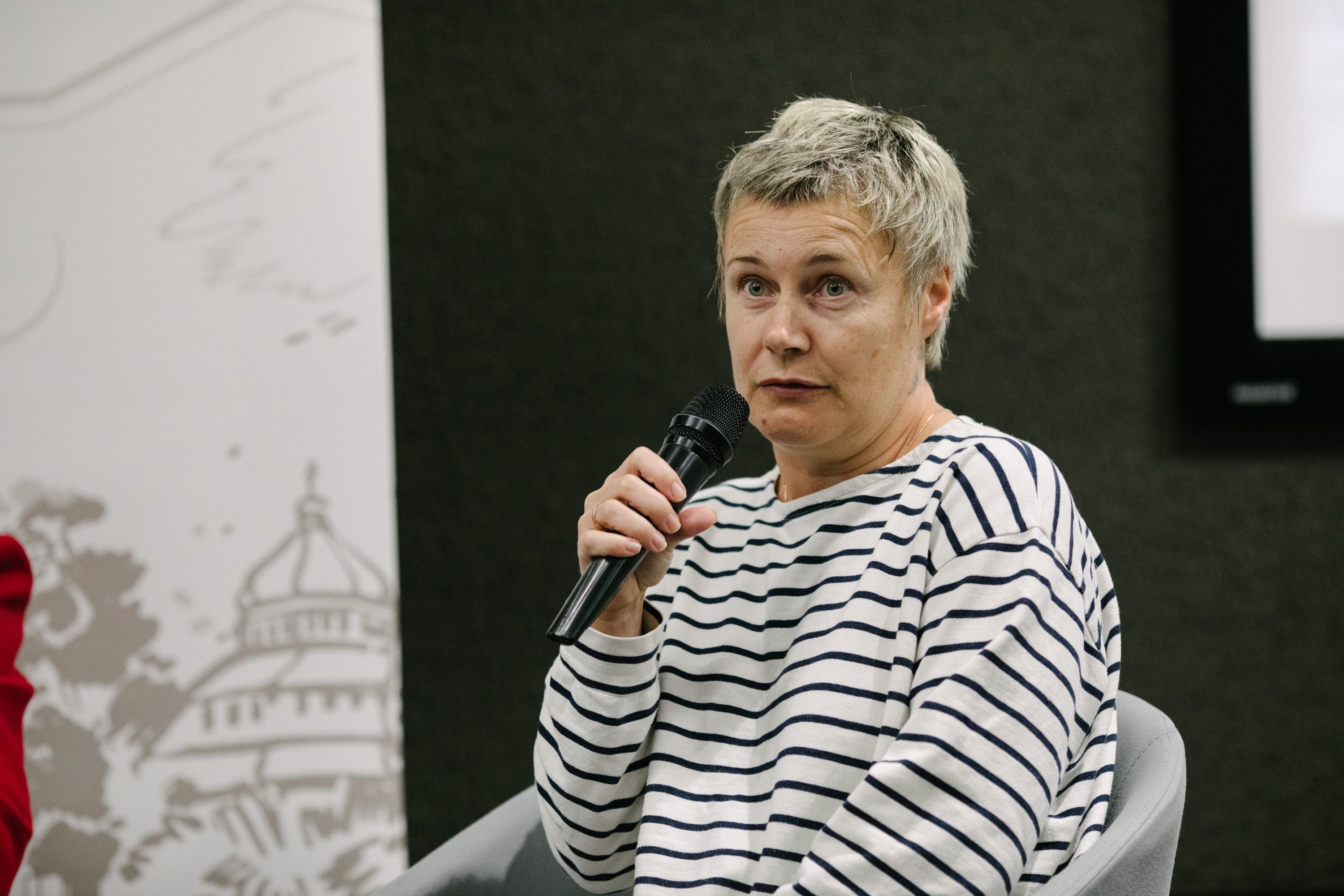
"My first day in Lviv was March 15, 2014. When we reached the Kherson region, we cried and kissed the ground. It was terrifying. The war began for us back then, and we knew it would continue. When we arrived in the Lviv region, we were housed near a school. Even then, people brought us canned food and essentials. At the end of 2021, foreign journalists visited us and asked, 'The war is coming soon. You’re aware, right? What will you do? Will you leave?' We answered, 'Yes, we’re aware. And we’re not going anywhere. We’ve had enough. It will be tough, but we’re staying.'
We knew it would be hard and far from brief. It wouldn’t last two or three weeks. We needed to fight for our existence. I saw the eyes of Russian soldiers back in 2014. And I knew there weren’t mass killings in Crimea then only because there was no explicit order to annihilate. But later, we were unprepared for everything that happened. Although we should have been."
Oksana adds that her next interview was recorded in May 2022. Those were intense days. But now, after 2.5 years, she says everything has changed.
"What we experienced in a rush of adrenaline gets forgotten. That’s why it’s crucial to document what has happened and continues to happen to us."
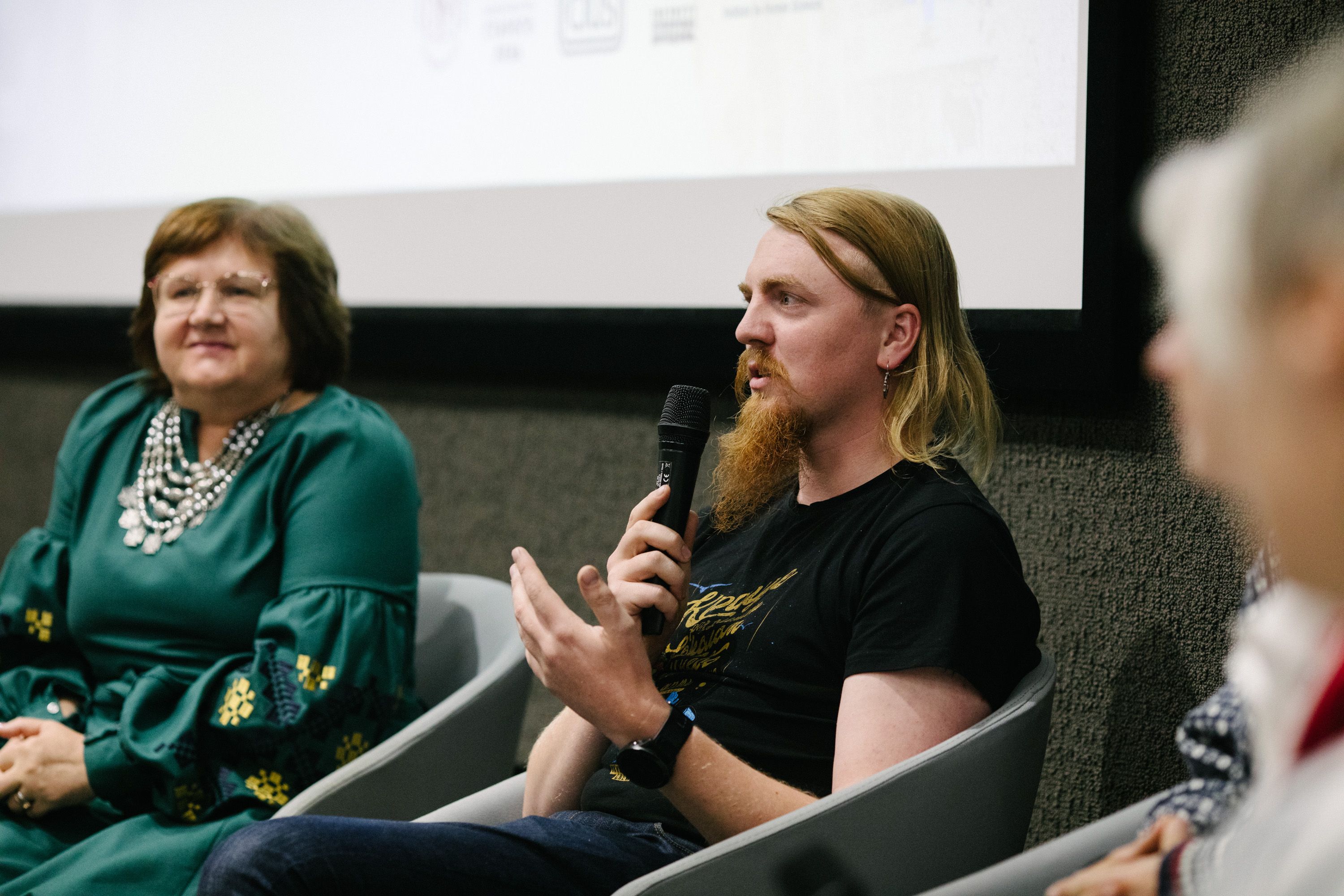
Viktor-Mykola Havryliuk, a serviceman and paramedic, firmly believes that no one can tell a story better than the person who lived it. He gave an interview shortly after the funeral of his comrade Artem "Kurka" Dymyd.
"In our world, countless people perish. There are many you could have known, but you didn’t get the chance because of the war. You walk the same streets as them and do the same things. Your paths were destined to cross at some point. But circumstances made it impossible. Thanks to these stories, we get to know, even a little, those we never had the chance to meet. They help us remember these people as they knew themselves."
Olha Riznychenko, a church warden of the Saint Demetrius Church of the UGCC in Kharkiv and a literary scholar, is also a participant in the "Small Stories of a Great War" project. With a laugh, she recalls how, in 2004, she brought an entire train of Kharkiv students to Lviv for Christmas. Parents kept calling her, threatening consequences if anything happened to their children because of the "Banderites." Along the way, the students drank beer at nearly every stop. However, they returned from Lviv transformed — quieter, singing carols.
Since 2014, young people began traveling to military units with Christmas plays to support the soldiers defending Ukraine from Russian occupation. The last play was performed on January 16, 2022. By early March of the same year, those same students had delivered a massive truck of humanitarian aid to Kharkiv. At a time when Saltivka was bombed to ruins, this aid arrived just when it was desperately needed.
"For almost all these ten years, Petro Didula traveled with us. He could connect with anyone. Over time, cities in Luhansk and Donetsk regions became very dear to us — Marinka, Pisky, Krasnohorivka, Karlivka… Some no longer exist, others are under occupation. But we built a network of people and local volunteers. Even now, under occupation, we still maintain contact with them.
Although the stories are very different, they have a common point: if one were asked what fear is, they wouldn't be able to answer. There was so much need to take care of others there was simply no room or time for fear. In the most critical moments, we mobilized and became one big family. We knew we would not give up Kharkiv and that we could not lose this war. The men took up arms for the first time, and we would bring them food. Even under Russian helicopters, we were absolutely sure that we had to defend this city.
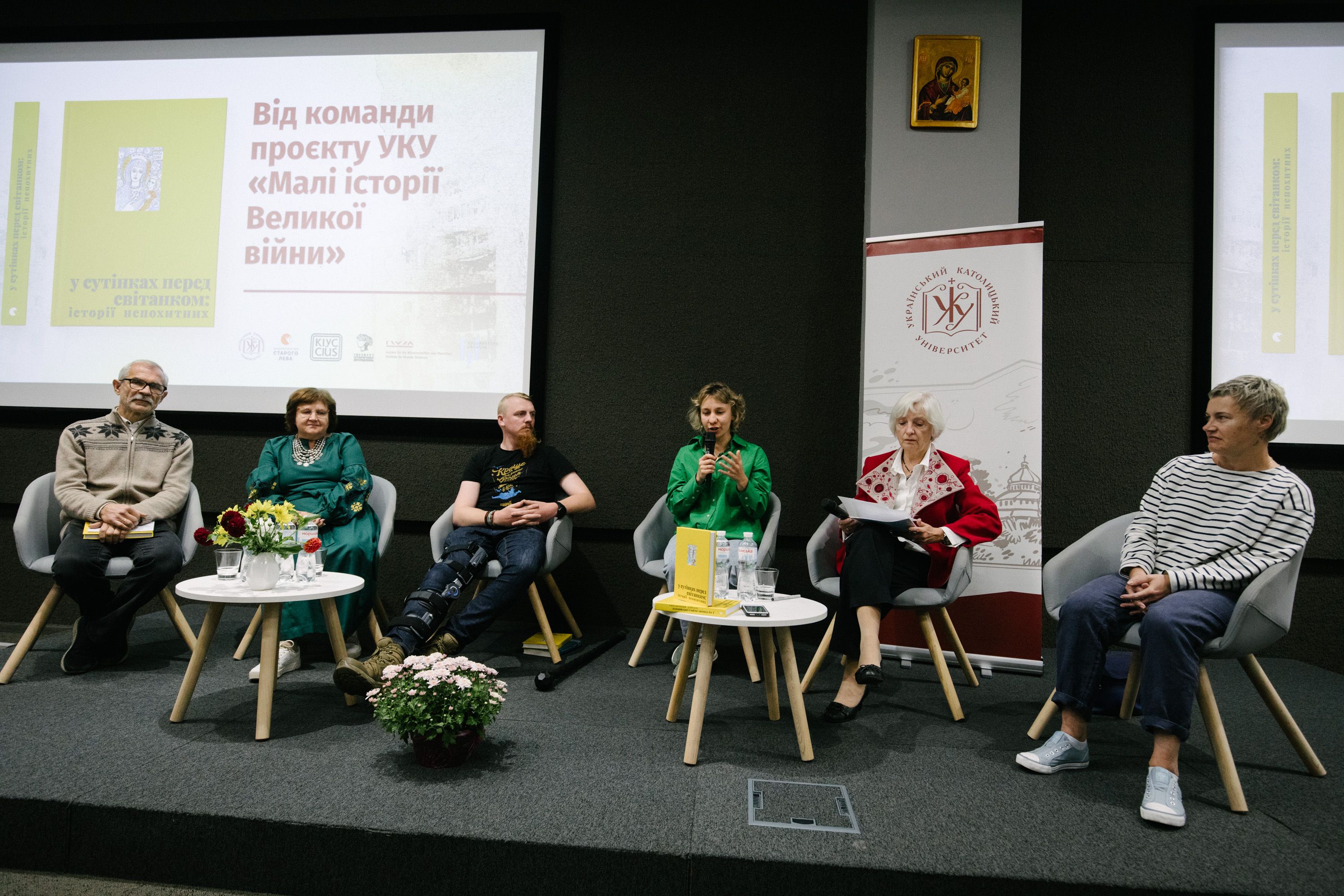
Olha reflects on the emotions of the first months of the full-scale war compared to the present. It’s evident that we are all exhausted. Soldiers, after rare short leaves, often don’t want to return to the front. Civilians have stopped even following the news. This fatigue plays into the hands of our enemy.
"Our bitter neighbors are silently working to defeat us in the mundane. I don’t know how to maintain the spirit we had on the Maidan in 2014 or at the start of the Great War. But we absolutely must preserve those moments of testimony when we were at our strongest and continually revisit them. Perhaps these stories will be what restores that unique sense of unity and love for one another."
A defining feature of the project is its focus on the stories of ordinary people. It’s not military analysis, predictions, or evaluations of the situation — it’s about what we are living through. As Olena Dzhedzhora notes, through these stories, we see how significant the small truly is.
"These are also stories about heroism. Heroism is not the willingness to die — it’s something much greater. It’s the willingness to live. It’s a love for life, so profound and encompassing that it is present in every story. If we talk about the secret of our resilience, about why we are still here, it’s because we know how to love truly."
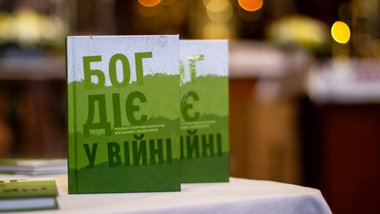
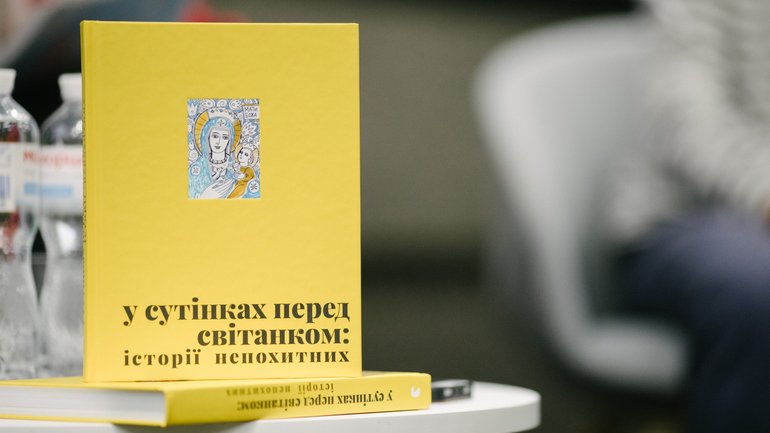
Since "Small Stories of a Great War" is a volunteer-driven project, there were no funds allocated for printing the collection. The book, "Twilight Before Dawn: Stories of the Unyielding," was brought to life thanks to the support of another dedicated team, "The Old Lion Publishing House," which covered all the expenses. Chief editor Marianna Savka shares that this collection feels like a shared story of all of us.
"These are the kinds of stories that can explain who Ukrainians are, what defines us, why we hold on so tightly, and where our humanity and strength of spirit come from. If you look at what’s happening on the frontlines in Ukraine, it’s incredibly tough. At times, it feels like twilight — the tension is immense, and the losses are staggering. But we know that dawn will come; we just need to endure until then. The heroes of this book are a tiny fraction of the people in this country who are creating victory every day, striving toward it, fighting and dying for it. I believe that these people embody the dawn that will inevitably come. I truly believe in this."
##DONATE_TEXT_BLOCK##